














Hemp vs Cannabis: Understanding the Legal Difference for THC Products
Posted by Enjoy Hemp Editor Team on Jun 27th 2026
Last Updated: June 2026
By Sarah Mitchell, Wellness Industry Specialist
Hemp and cannabis (marijuana) are the same plant species, Cannabis sativa, but federal law distinguishes them based on THC content. Hemp contains ≤0.3% Delta-9 THC by dry weight and is federally legal under the 2018 Farm Bill. Cannabis contains >0.3% THC and remains a Schedule I controlled substance federally, though many states have legalized it. This legal distinction determines whether THC products can be sold online, shipped across state lines, and purchased without a dispensary license.
I've spent 15 years in the wellness industry watching this legal landscape evolve. According to a Congressional Research Service report, the distinction between hemp and marijuana is entirely legal, not botanical. The 0.3% threshold Congress chose in 2018 created a framework where products containing meaningful amounts of THC can be sold legally nationwide, as long as they meet the hemp definition.
This article explains the legal difference between hemp and cannabis, how it affects THC products you can buy, what the 2018 Farm Bill actually says, how state laws vary, and what recent legislative changes mean for consumers. Understanding these distinctions helps you make informed purchases and know exactly what you're buying.
What's the Difference Between Hemp and Cannabis?
Hemp and cannabis are both Cannabis sativa, the same plant species. The difference is entirely legal: hemp is defined as cannabis containing ≤0.3% Delta-9 THC by dry weight, while cannabis (marijuana) is anything above that threshold. Botanically, they're identical. Legally, they're treated completely differently, with hemp removed from controlled substance scheduling and marijuana remaining Schedule I federally.
The Botanical Reality
There's no botanical distinction between hemp and marijuana. According to researchers at Oregon State University, "both hemp and marijuana belong to a single species: Cannabis sativa." They're typically considered subspecies or cultivars of the same plant.
Cannabis plants contain over 480 chemical constituents, including dozens of cannabinoids like THC, CBD, CBN, and CBG. The plant naturally produces these compounds in varying ratios depending on genetics, growing conditions, and cultivation practices. Some cultivars produce high THC, some produce high CBD, and some produce balanced ratios.
Historically, "hemp" referred to cannabis grown for industrial purposes (fiber, rope, paper, seeds) while "marijuana" referred to cannabis grown for its psychoactive properties. But these were cultural distinctions, not legal ones, until Congress drew a specific line in 2018.
The Legal Line
The 2018 Farm Bill (Agriculture Improvement Act of 2018) created the legal distinction that matters today:
Hemp: "The plant Cannabis sativa L. and any part of that plant, including the seeds thereof and all derivatives, extracts, cannabinoids, isomers, acids, salts, and salts of isomers... with a delta-9 tetrahydrocannabinol concentration of not more than 0.3 percent on a dry weight basis."
Marijuana: Any cannabis that doesn't meet the hemp definition (i.e., contains >0.3% Delta-9 THC).
This legal distinction has enormous practical consequences:
| Factor | Hemp (≤0.3% THC) | Marijuana (>0.3% THC) |
|---|---|---|
| Federal status | Legal nationwide | Schedule I controlled substance |
| Online sales | Permitted | Prohibited |
| Interstate shipping | Legal | Illegal |
| Where to buy | Online, retail, convenience stores | Licensed dispensaries only |
| State regulation | Varies; many states allow | Varies; requires state legalization |
| Testing requirements | Varies by brand | State-mandated testing |
How Does This Legal Difference Affect THC Products?
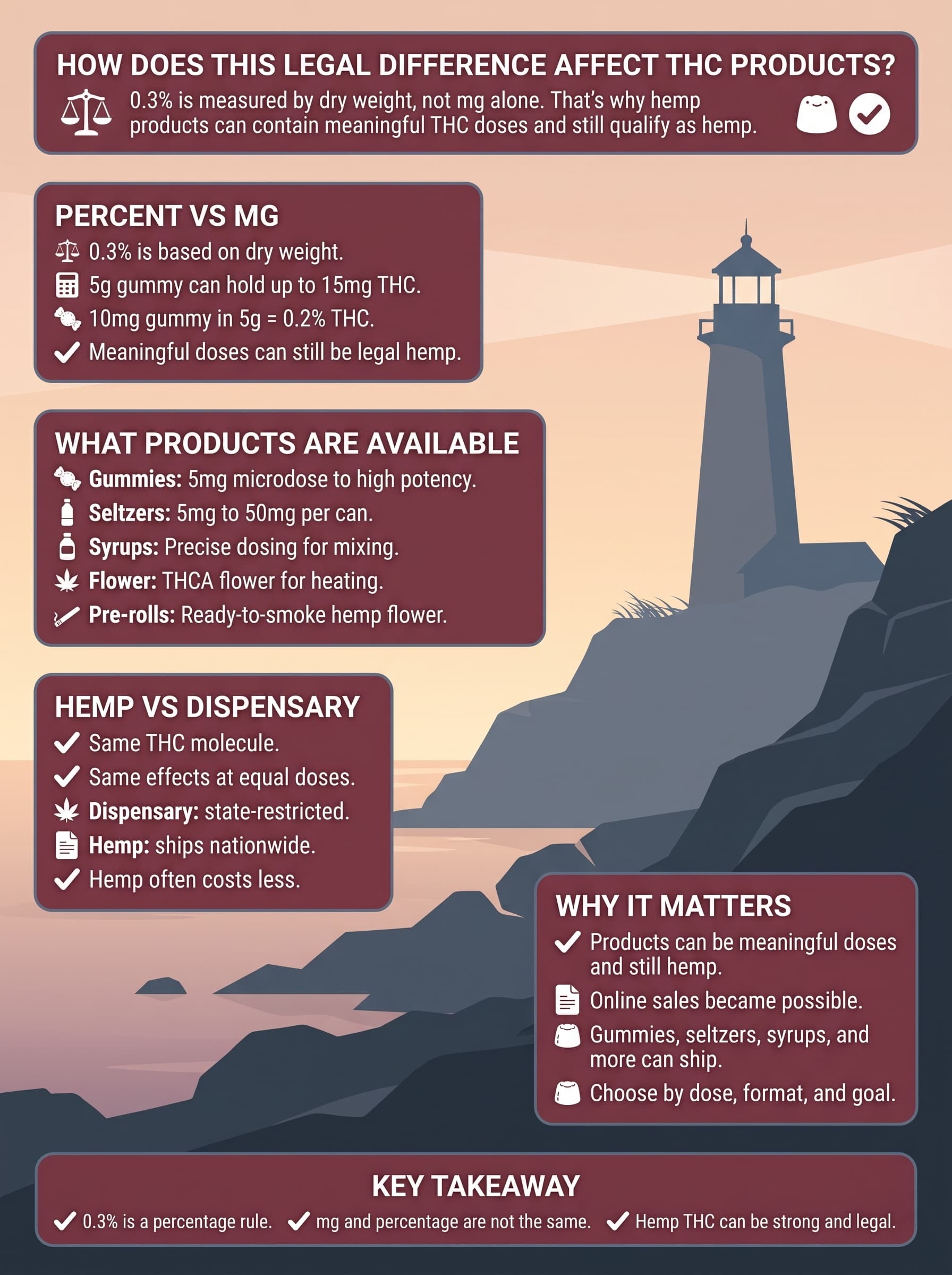
The 0.3% THC threshold is measured by dry weight, not total milligrams. This means products can contain significant amounts of THC (5mg, 10mg, even 50mg per serving) while still qualifying as hemp, as long as the percentage of THC relative to total product weight stays below 0.3%. This "loophole" created the legal hemp THC market, allowing gummies, seltzers, syrups, and other products to be sold online and shipped nationwide.
Understanding the Percentage vs Milligram Distinction
The key to understanding legal hemp THC products is the percentage calculation:
Example: A 5-gram gummy can legally contain up to 15mg of Delta-9 THC while staying under 0.3%:
- 5 grams = 5,000 milligrams total weight
- 0.3% of 5,000mg = 15mg maximum THC
- A 10mg THC gummy weighing 5 grams = 0.2% THC (legal hemp)
This math is why hemp-derived THC gummies, seltzers, and syrups can deliver meaningful psychoactive doses while remaining federally legal. The products simply need enough total weight to keep the THC percentage below 0.3%.
What Products Are Available Under Hemp Laws?
The 2018 Farm Bill enabled a diverse market of hemp-derived THC products:
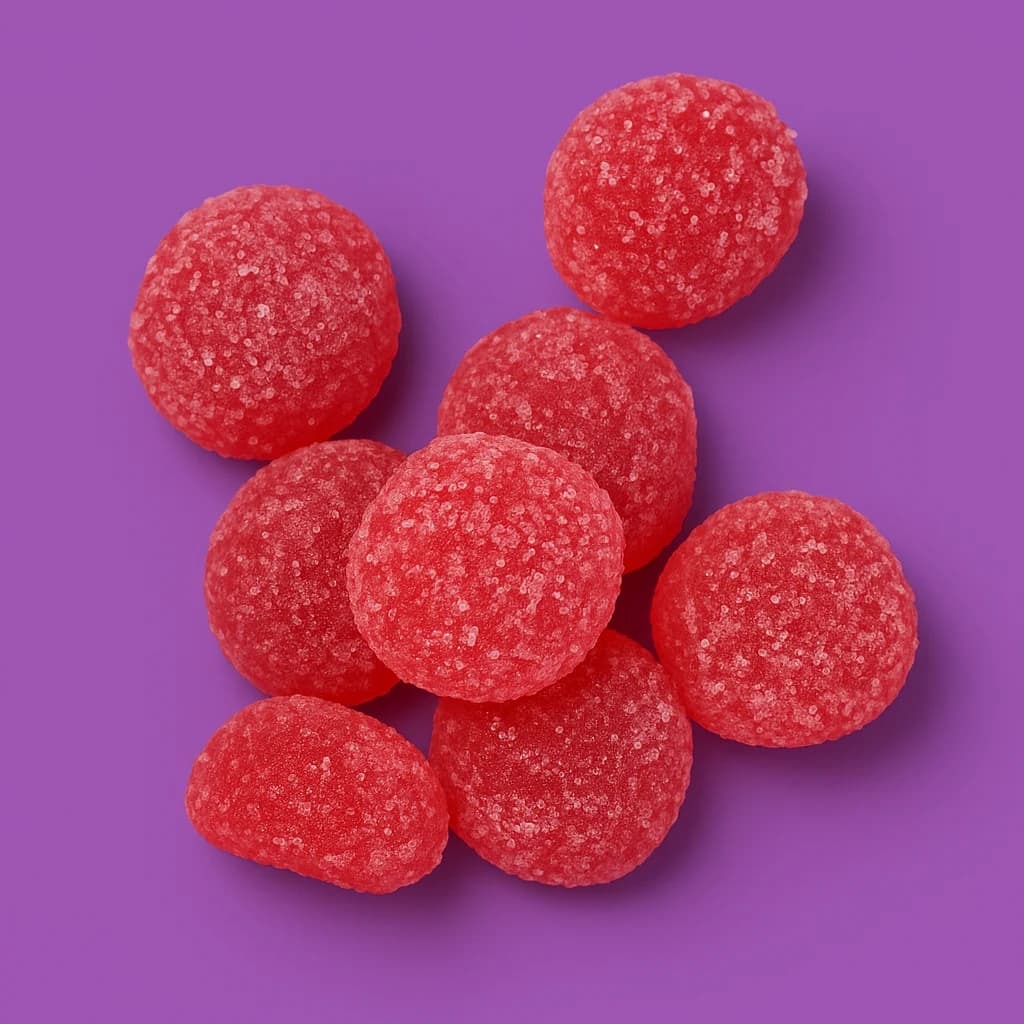
Gummies: The most popular format. Our gummy collection includes options from 5mg microdose to high-potency formulas, all federally compliant.
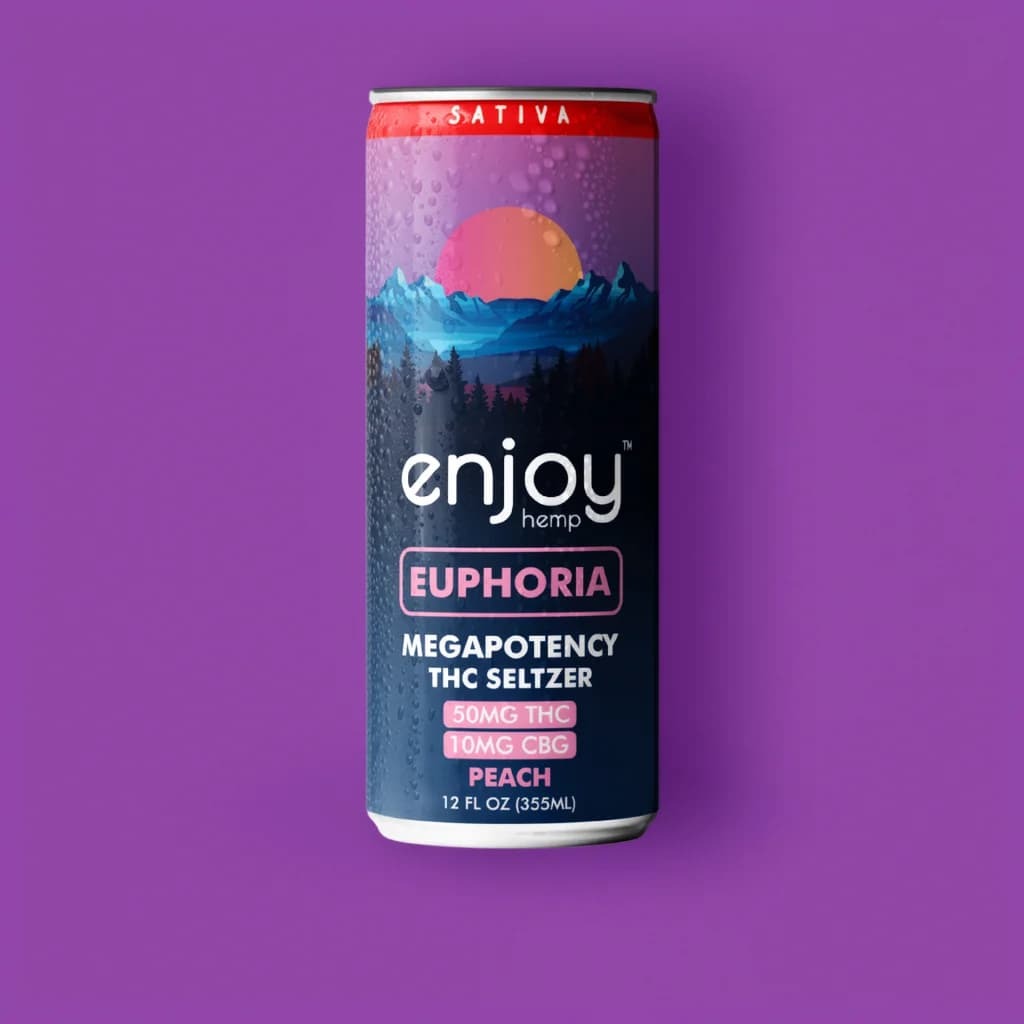
Seltzers: THC beverages that ship nationwide. Browse our seltzer line with options from 5mg to 50mg per can.
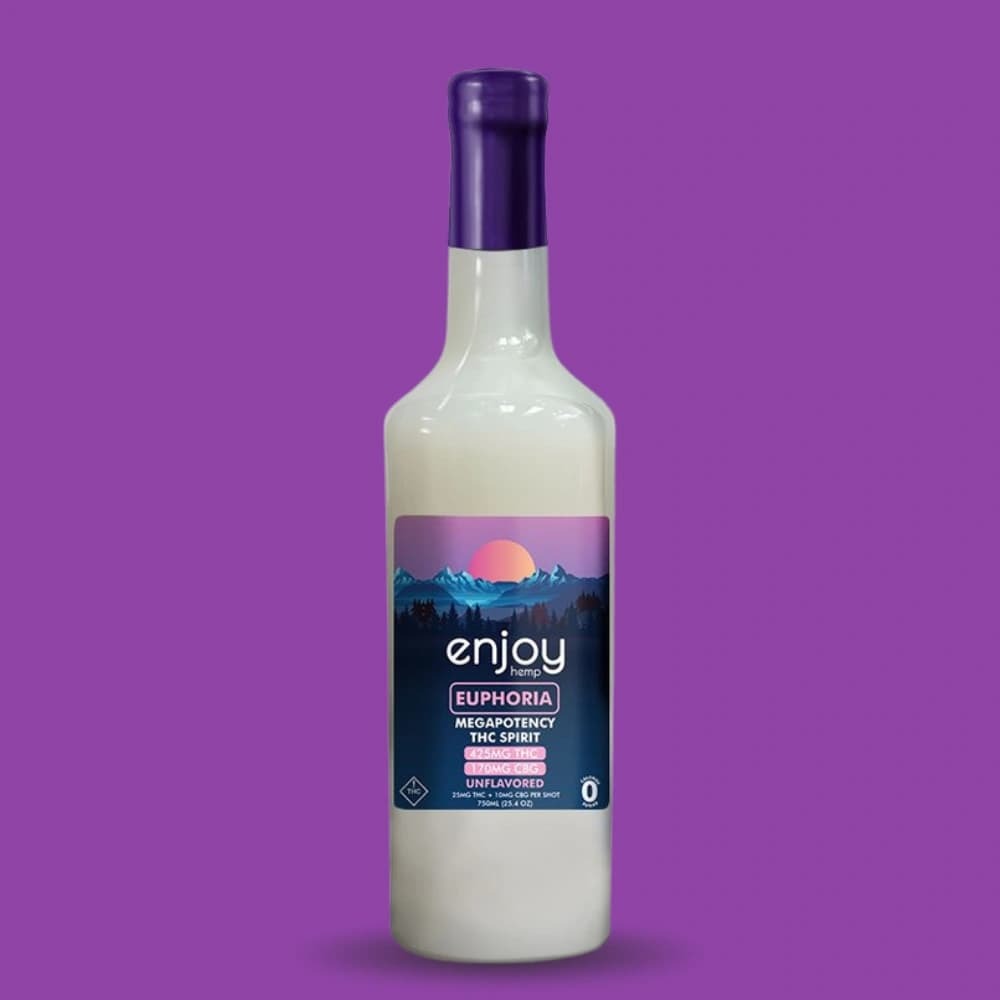
Syrups: Concentrated liquid THC for mixing. Our syrup collection offers precise dosing.
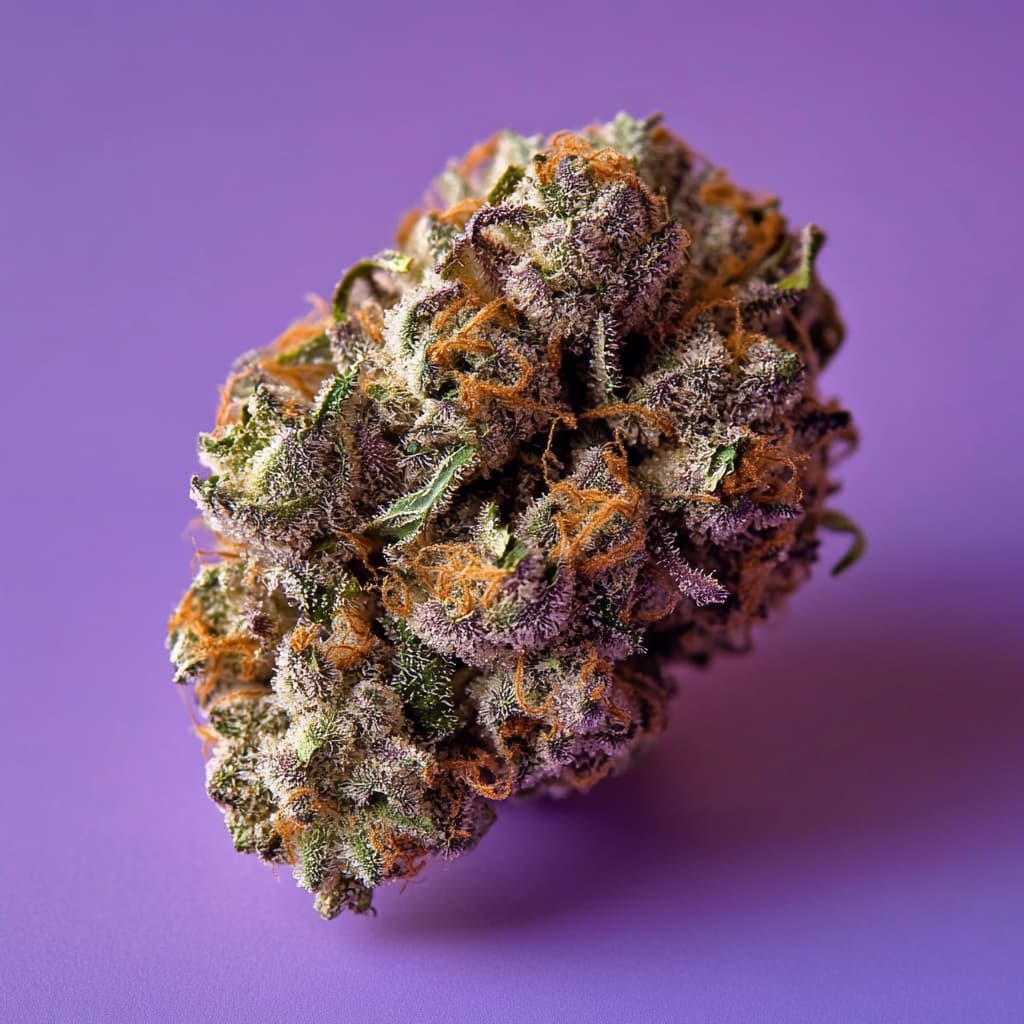
Flower: THCA flower that converts to THC when heated. Available in our flower collection.
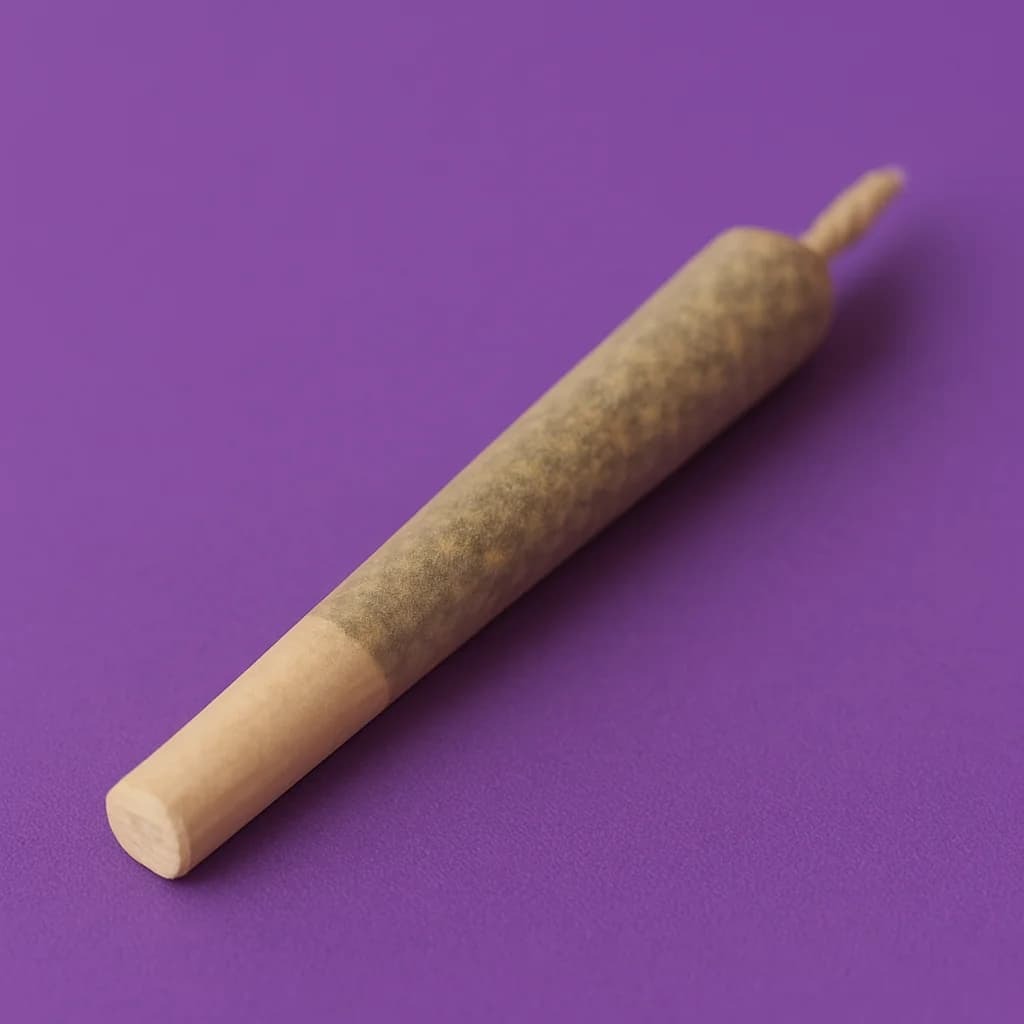
Pre-rolls: Ready-to-smoke hemp flower. See our pre-roll selection.
Hemp THC vs Dispensary THC: Is There a Difference?
The THC molecule is identical whether it comes from hemp or marijuana. Delta-9 THC derived from hemp produces the same effects as Delta-9 THC from dispensary cannabis. The only differences are:
- Concentration: Dispensary products may contain higher percentages
- Regulation: Dispensary products undergo state-mandated testing
- Accessibility: Hemp products ship nationwide; dispensary products are state-restricted
- Price: Hemp products often cost less due to fewer regulatory overhead
The effects at equivalent doses are the same, which is why consumers often turn to product-specific guides like what is the best THC product to help me fall asleep faster and stay asleep through the night to narrow down the right formula. A 10mg hemp-derived THC gummy produces the same experience as a 10mg dispensary gummy.
What Does the 2018 Farm Bill Actually Say?
The 2018 Farm Bill removed hemp from the Controlled Substances Act's definition of marijuana, making hemp and its derivatives (including THC below 0.3%) federally legal to cultivate, process, sell, and possess. The law explicitly includes "all derivatives, extracts, cannabinoids, isomers, acids, salts, and salts of isomers" as long as they meet the THC threshold. This broad language is what enabled the hemp THC market.
Key Provisions
Hemp definition: Cannabis sativa with ≤0.3% Delta-9 THC by dry weight
Legal status: Hemp is not a controlled substance under the CSA
Interstate commerce: Legal hemp products can be transported across state lines
Derivatives included: All parts of the plant and all derivatives are included if they meet the threshold
FDA authority preserved: FDA retains authority to regulate hemp products under food and drug laws
State authority preserved: States can impose additional restrictions
The "Hemp Loophole"
Critics call it a loophole; the industry calls it the intended reading of the law. Either way, the 2018 Farm Bill's focus on Delta-9 THC percentage created opportunities:
- Hemp-derived Delta-9 THC products: Legal if total product weight keeps THC under 0.3%
- Delta-8 THC: Derived from hemp CBD through conversion, legal under the original definition
- THCA flower: Contains <0.3% Delta-9 but high THCA that converts to THC when heated
- Other cannabinoids: THCP, HHC, and others derived from hemp
This interpretation allowed the hemp-derived THC market to grow into a multi-billion dollar industry.
How Do State Laws Affect Hemp THC Products?
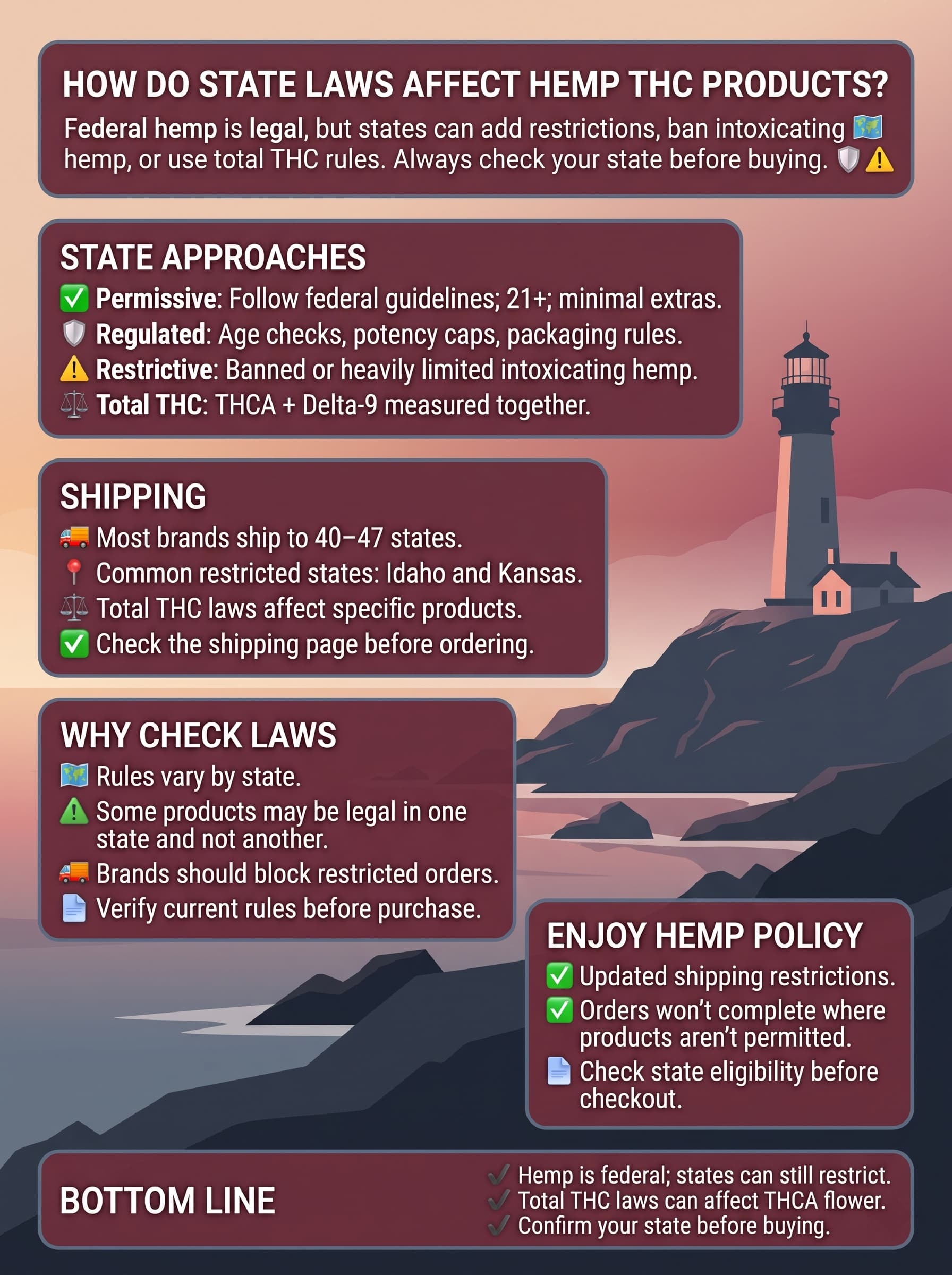
While hemp is federally legal, states can impose additional restrictions. Some states follow federal guidelines and allow hemp THC products freely. Others have banned or heavily regulated intoxicating hemp products. A few use "total THC" measurements that include THCA, effectively banning high-THCA hemp flower. Always verify your state's current laws before purchasing.
Types of State Approaches
Permissive states: Follow federal guidelines, allow hemp THC products to adults 21+, minimal additional restrictions
Regulated states: Allow hemp THC but impose requirements like age verification, potency caps, or packaging rules
Restrictive states: Have banned or heavily limited intoxicating hemp products
Total THC states: Measure THCA plus Delta-9 THC, which can make high-THCA products illegal
Shipping Considerations
Most hemp THC brands ship to 40-47 states. Common restricted states include:
- Idaho (strict hemp laws)
- Kansas (restrictions on intoxicating hemp)
- States with total THC laws that affect specific products
Always check the shipping page of any brand before ordering to confirm delivery to your state. At Enjoy Hemp, we maintain updated shipping restrictions and won't complete orders to states where our products aren't permitted.
What Recent Legal Changes Should Consumers Know?
In November 2025, Congress passed legislation (P.L. 119-37) that redefines hemp effective November 12, 2026. The new definition would measure "total THC" (including THCA), limit products to 0.4mg combined THC per container, and exclude synthetically derived cannabinoids. If implemented as written, most current hemp THC products would become federally illegal. However, multiple legislative efforts are attempting to repeal or modify these provisions before the deadline.
What the November 2025 Law Changes
The November 2025 legislation makes three key changes to hemp's definition:
1. Total THC measurement: Instead of only Delta-9 THC, the new definition counts "total THC" including THCA. This would effectively ban all THCA flower products.
2. Per-container THC limit: Final hemp products cannot exceed 0.4mg combined total THC per container. This would ban virtually all THC gummies, seltzers, and edibles currently on the market.
3. Synthetic cannabinoid exclusion: Cannabinoids produced through chemical conversion (like Delta-8 THC from CBD) are excluded from the hemp definition.
Current Status and Uncertainty
As of June 2026, the situation remains fluid:
- The new definition takes effect November 12, 2026
- Multiple bills (H.R. 6209, the HEMP Act) aim to repeal or modify the changes
- Industry groups are actively lobbying for regulatory frameworks rather than bans
- It's unclear how federal enforcement would work given state legalization of similar products
For consumers, this means the current legal framework allowing hemp THC products remains in effect through November 2026. What happens after depends on congressional action over the next several months.
What This Means for Current Purchases
Products purchased before any legal changes remain your property. Many consumers are choosing to:
- Stock up on preferred products while clearly legal
- Support brands and advocacy organizations pushing for sensible regulation
- Stay informed about legislative developments
- Contact representatives about protecting legal hemp access
How to Verify Legal Hemp THC Products
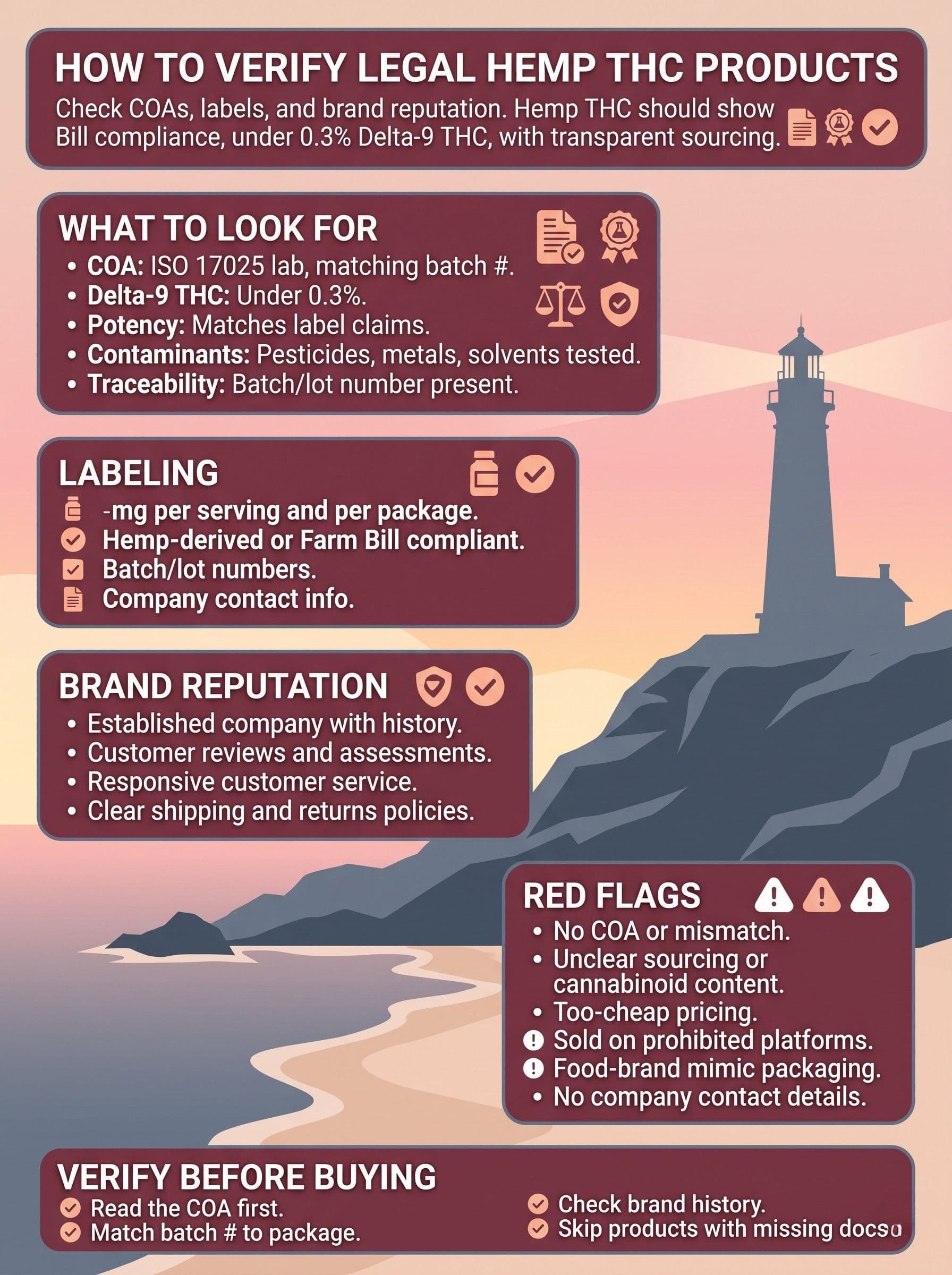
Legal hemp THC products should clearly display compliance with the 2018 Farm Bill, provide third-party lab testing (COAs) showing Delta-9 THC under 0.3%, list hemp-derived cannabinoid content, and come from reputable brands with transparent sourcing. Always verify COAs before purchasing, and be cautious of products without clear lab documentation.
What to Look For
Certificate of Analysis (COA):
- Third-party lab testing from ISO 17025 accredited lab
- Delta-9 THC percentage under 0.3%
- Cannabinoid potency matching label claims
- Contaminant testing (pesticides, heavy metals, solvents)
- Batch number matching the product
Labeling:
- Clear mg per serving and per package
- "Hemp-derived" or "Farm Bill compliant" language
- Batch/lot numbers for traceability
- Company contact information
Brand reputation:
- Established company with verifiable history
- Customer reviews and third-party assessments
- Responsive customer service
- Clear shipping and returns policies
Red Flags to Avoid
- No COA available or COA doesn't match product
- Unclear cannabinoid content or sourcing
- Prices significantly below market rates
- Products sold on platforms that prohibit THC (Amazon, eBay)
- Packaging that mimics established food brands
- No company information or contact details
Key Takeaways: Hemp vs Cannabis Legal Difference
Hemp and cannabis are the same plant species with different legal classifications based solely on THC content. Hemp (≤0.3% Delta-9 THC) is federally legal under the 2018 Farm Bill; marijuana (>0.3% THC) remains Schedule I. This distinction enables legal THC products to be sold online and shipped nationwide, though state laws vary. Recent federal legislation may significantly change this framework in November 2026.
What to remember:
- Hemp and marijuana are botanically identical (Cannabis sativa)
- The only legal difference is THC percentage (0.3% threshold)
- Hemp-derived THC is the same molecule as marijuana-derived THC
- Effects at equivalent doses are identical
- Hemp products can be sold online and shipped interstate
- Marijuana products require licensed dispensaries
- State laws can impose additional restrictions on hemp
- Always verify COAs showing compliance
- Legislative changes may affect this framework in late 2026
- Stay informed about evolving regulations
At Enjoy Hemp, all our products are derived from USDA-certified organic hemp and comply with the 2018 Farm Bill. We provide third-party COAs for every batch and maintain transparency about our sourcing and testing. Browse our gummies, seltzers, and syrups with confidence in their legal status.
Frequently Asked Questions
Is hemp-derived THC the same as marijuana THC?
Yes. Delta-9 THC is the same molecule whether it comes from hemp or marijuana. The distinction is legal (based on plant THC percentage), not chemical. Effects at equivalent doses are identical.
Can I buy hemp THC products online?
Yes. Hemp-derived THC products can be sold online and shipped across state lines in most states. This is the key practical difference from marijuana, which cannot legally cross state lines and must be purchased at licensed dispensaries.
Will hemp THC products make me fail a drug test?
Yes. Drug tests detect THC metabolites, and hemp-derived THC produces the same metabolites as marijuana-derived THC. Standard tests cannot distinguish between the two sources. Avoid all THC products if you're subject to drug testing.
Why is hemp legal but marijuana isn't?
Congress chose to distinguish them based on THC concentration in the 2018 Farm Bill. The 0.3% threshold was borrowed from earlier international definitions and was meant to allow industrial hemp cultivation while keeping high-THC cannabis controlled. Whether this distinction makes sense is debated.
Are hemp THC gummies legal in my state?
It depends on your state's laws. While federally legal, some states have banned or restricted intoxicating hemp products. Check your state's current hemp laws or the shipping page of any brand to confirm availability.
What's the difference between Delta-8 and Delta-9 THC legally?
Under the original 2018 Farm Bill interpretation, Delta-8 THC derived from hemp was considered legal because only Delta-9 THC was measured. The November 2025 legislation changes this by excluding synthetically derived cannabinoids, which would affect Delta-8's legal status when implemented.
Can I fly with hemp THC products?
Technically, federally legal hemp products can be transported on planes. However, TSA officers may not distinguish between hemp and marijuana products, creating potential complications. Keep products in original packaging with clear labeling and consider the laws of your destination state.
Is CBD the same as THC legally?
CBD (cannabidiol) is a different cannabinoid that's non-psychoactive. Both CBD and THC can be derived from hemp, but CBD products containing no significant THC don't produce intoxicating effects. Hemp-derived CBD is legal nationwide and doesn't carry the same restrictions as THC products.
What happens to my hemp products if the law changes?
Products you've already purchased remain your property. Legal changes would affect future sales and shipping, not existing possession in most interpretations. However, state enforcement could vary, so staying informed about your local laws is important.
How do I know if a product is really hemp-derived?
Check the Certificate of Analysis (COA) from a third-party lab. It should show Delta-9 THC under 0.3% by dry weight, confirm the cannabinoid profile matches label claims, and come from an ISO 17025 accredited laboratory. Reputable brands make COAs easily accessible on their websites.
About the Author
Sarah Mitchell is a wellness industry veteran with 15 years of experience in functional supplements and hemp-derived products. She previously led product development at two nationally recognized wellness brands and holds certification as a holistic health practitioner. Sarah now advises consumers on quality standards, helping them make informed decisions in the evolving hemp market.
Disclaimer: This content is for informational purposes only and does not constitute legal advice. Hemp-derived THC products are federally legal under the 2018 Farm Bill at ≤0.3% Delta-9 THC by dry weight, but state laws vary and federal law may change. THC can impair your ability to drive or operate machinery. Do not use if pregnant, nursing, or if you have a medical condition without consulting a healthcare provider. Must be 21+ to purchase. Consult an attorney for specific legal questions.