













Hemp Cannabinoids for Nighttime: THC, CBN and THCA Compared
Posted by Enjoy Hemp Editor Team on Apr 10th 2026
Last Updated: April 2026
What is in a CBN-formulated hemp product: 1000mg Deep Sleep THC+CBN Gummies | Blood Orange (Indica) contains 15 mg of delta-9 THC and 10 mg of CBN per serving, with 40 servings per container. It is made with USDA-certified organic hemp and every batch is tested by an accredited third-party lab. A batch-specific Certificate of Analysis is available.
| Product | THC per serving | CBN per serving | Format |
|---|---|---|---|
| 1000mg Deep Sleep THC+CBN Gummies | Blood Orange (Indica) | 15mg | 10mg | gummy |
| 625 mg Sleep THC+CBN Gummies | Mixed Fruit (Indica) | 12.5mg | 12.5mg | gummy |
| 10mg THC + 10mg CBN Sleep Seltzer | Mango Passionfruit | 10mg | 10mg | drink |
| 5mg THC + 5mg CBN Chill Seltzer | Lemon | 5mg | 5mg | Seltzer |
| 800mg Sleep THC+CBN Syrup | Grape (Indica) | 5mg | 5mg | syrup |
By Sarah Mitchell, Wellness Industry Specialist
The best premium THC brands for sleep combine high-quality hemp extracts with sleep-supporting cannabinoids like CBN and CBD in precise, research-backed ratios. After 15 years evaluating wellness products and leading product development at two national brands, I've learned that finding a genuinely effective sleep product comes down to three things: cannabinoid formulation, terpene profiles, and manufacturing transparency. This guide breaks down exactly what to look for, which cannabinoids actually help with sleep according to current research, and how to identify brands worth your trust in a market flooded with mediocre options.
Sleep troubles affect roughly 50 to 70 million Americans each year. And while prescription sleep aids have their place, many people are looking for something gentler. Something that helps them wind down without the grogginess or dependency concerns that come with pharmaceutical options. For premium sleep support in liquid form, our THC and CBD syrup for gentle wind-down combine THC with CBD for gentle relaxation.
That's where hemp-derived THC products come in. Beyond sleep formulations, Enjoy Hemp's liquid gummies provide fast-acting effects for those who prefer alternatives to traditional edibles. For customizable dosing options, consider sleep syrup with THC and CBN which can be mixed into nighttime beverages at your preferred strength. Thanks to the 2018 Farm Bill, products containing less than 0.3% Delta-9 THC by dry weight are federally legal and can be shipped to most states. But here's the thing: not all brands are created equal. For your next refreshing drink, you can our full range of THC drinks that meet high quality standards. Some cut corners. Others make claims they can't back up. And a few actually deliver what they promise.
I've spent years working in product development at national wellness brands, and I've seen the good, the bad, and the frankly concerning. Below, I'll walk you through what actually matters when you're choosing a THC brand for sleep, the science behind why certain cannabinoids work, and which quality markers separate premium products from the rest. If you're looking for the best nighttime beverages, I recommend checking out THC seltzers formulated with CBN that combine quality and flavor.
What Makes a Premium Hemp Brand?
Premium THC brands for sleep source USDA-certified organic hemp, provide accessible third-party lab results, and formulate products specifically with cannabinoids like CBN. The difference between a mediocre sleep product and an excellent one comes down to cannabinoid ratios, terpene profiles, and manufacturing transparency.
When I was leading product development, we obsessed over details that most consumers never see. The extraction method. The source farm's soil quality. Whether the lab testing covered contaminants beyond just potency. These things matter because hemp is a bioaccumulator, meaning it absorbs whatever is in the soil, good or bad.
Quality brands invest in these areas even though it costs more. They use CO2 extraction instead of cheaper solvent methods. They test every batch, not just random samples. They publish results where you can actually find them.
Our sleep-focused our sleep gummy range options exemplify this approach: USDA-certified organic hemp, batch-specific COAs, and formulations designed specifically for sleep rather than generic THC products marketed for everything.
Which Cannabinoids Are Found in Hemp Products?
Cannabinoids like THC, CBD, and CBN interact with your endocannabinoid system to promote relaxation, reduce sleep onset time, and support deeper rest throughout the night. THC has sedative properties at moderate doses, while CBN appears particularly effective at reducing nighttime awakenings according to recent clinical research.
Your body has an endocannabinoid system that regulates sleep, mood, appetite, and pain perception. When you consume cannabinoids, they bind to receptors throughout this system and influence how your body prepares for and maintains sleep.
Here's what the research shows about specific cannabinoids:
THC (Tetrahydrocannabinol): At low to moderate doses (5-15mg for most people), THC can reduce the time it takes to fall asleep and may increase slow-wave sleep during the first part of the night. Too much, though, and you might experience racing thoughts or anxiety. Finding your sweet spot matters.
CBD (Cannabidiol): CBD doesn't directly cause drowsiness, but it can help by reducing anxiety and promoting overall calm. According to Harvard Health, CBD may help people fall asleep faster and stay asleep longer, especially when anxiety is the root cause of sleep issues.
CBN (Cannabinol): This is the cannabinoid getting the most attention for sleep right now. A 2024 double-blind, placebo-controlled study published in Experimental and Clinical Psychopharmacology found that 20mg of CBN significantly reduced nighttime awakenings and overall sleep disturbance compared to placebo. Interestingly, adding CBD to CBN didn't enhance these effects.
The best sleep formulas combine these cannabinoids thoughtfully. For those interested in broader edible categories, it's also useful to learn about the benefits of 600mg thc gummies while comparing available THC products. Our Deep Sleep Gummies and deep sleep gummies pair THC with CBN to address both falling asleep and staying asleep.
What is the difference between THC and CBN?
Both are cannabinoids found in Cannabis sativa L. Delta-9 THC is the primary intoxicating cannabinoid in hemp. CBN forms as THC ages and oxidises, which is why CBN content can vary between batches and why the Certificate of Analysis lists it separately. Products are formulated with stated milligram amounts of each.
Which cannabinoids are used in nighttime hemp formulas?
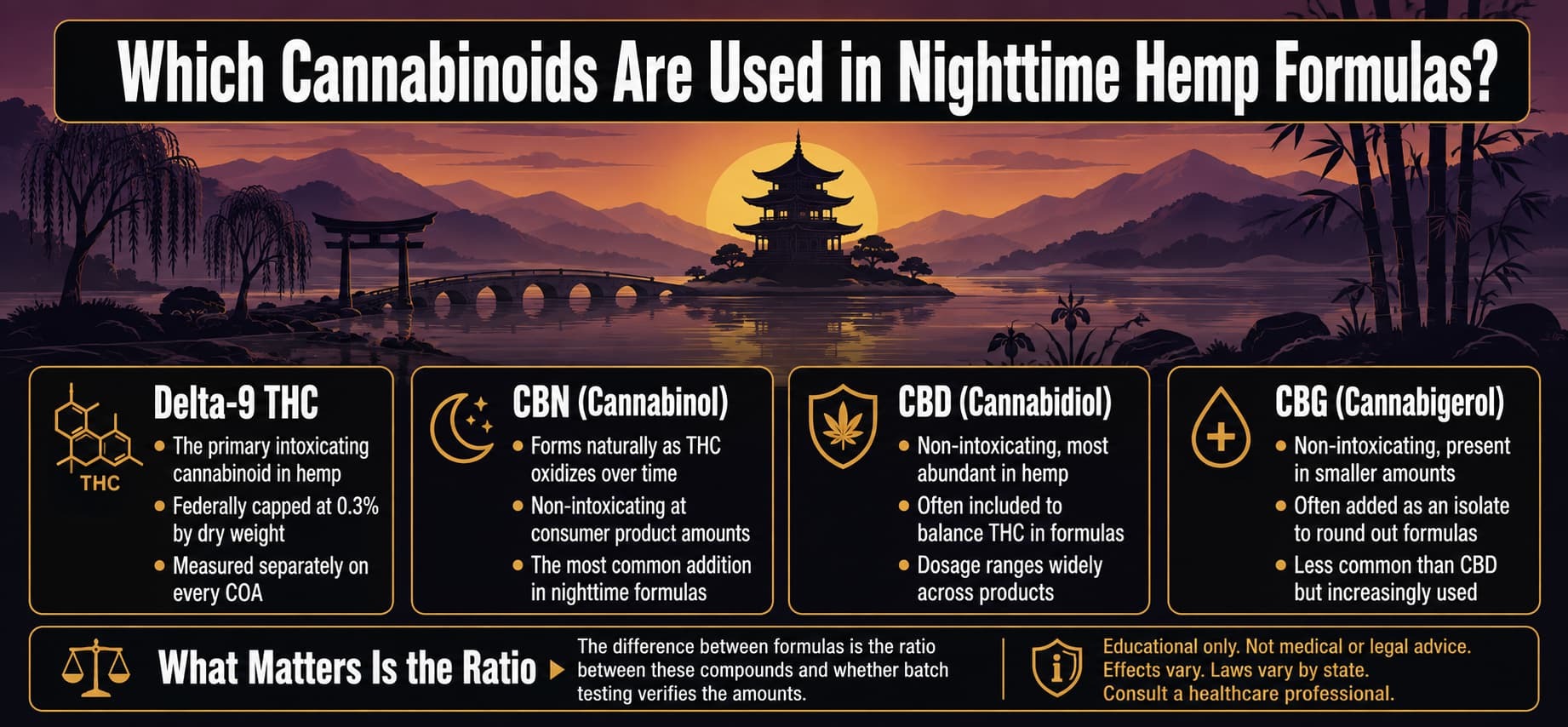
Hemp contains more than a hundred cannabinoids, but only a handful appear in measurable amounts in finished products. The ones you will see listed on a nighttime formula are delta-9 THC, CBN, CBD, and sometimes CBG.
Each is a distinct compound with its own molecular structure, and each is measured separately on a Certificate of Analysis. A product listing "20 mg cannabinoids" without breaking that figure down is telling you less than it appears to.
The four you will encounter most often:
- Delta-9 THC. The primary intoxicating cannabinoid in hemp. Federally capped at 0.3% by dry weight.
- CBN (cannabinol). Forms as delta-9 THC oxidises. Non-intoxicating at the amounts used in consumer products.
- CBD (cannabidiol). Non-intoxicating. The most abundant cannabinoid in most hemp varieties.
- CBG (cannabigerol). Non-intoxicating. Present in smaller amounts and often added as an isolate.
What separates one formula from another is the ratio between them and whether that ratio is verified by batch testing rather than stated on a spec sheet.
What is delta-9 THC and how is it measured?
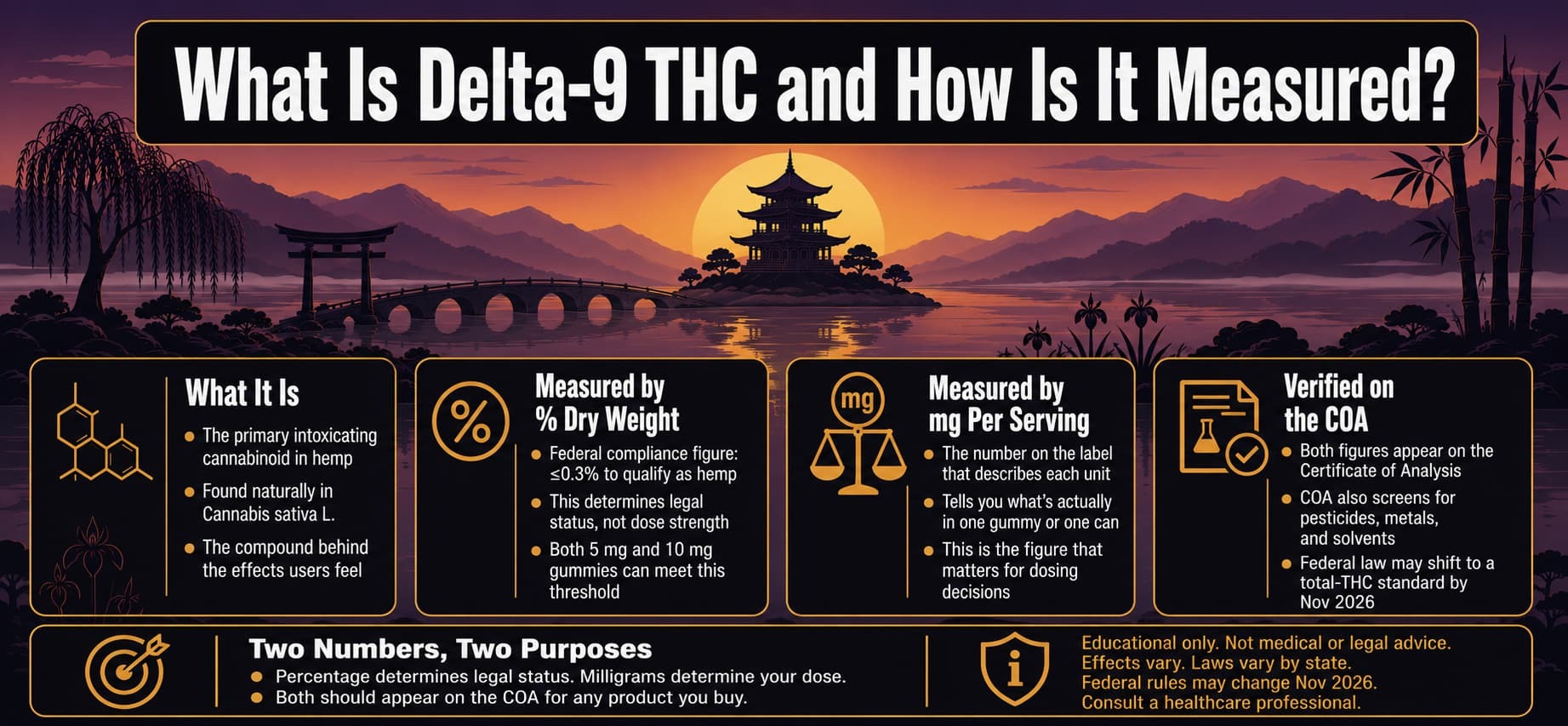
Delta-9 tetrahydrocannabinol is the primary intoxicating cannabinoid found in Cannabis sativa L. In hemp products it is measured two different ways, and the two are easy to confuse.
The first is percentage by dry weight. This is the federal compliance figure. Hemp is defined as containing 0.3% or less delta-9 THC by dry weight, and that is what determines whether a product is legally hemp.
The second is milligrams per serving. This is what appears on the label of a gummy or a can, and it is the number that actually describes what is in one unit. A 10 mg gummy and a 5 mg gummy can both sit under the 0.3% threshold.
Both figures appear on a batch-specific Certificate of Analysis, alongside screening results for pesticides, heavy metals, residual solvents, and microbials.
Worth knowing: federal law is scheduled to change on November 12, 2026 to a total-THC standard that counts THCA and converted cannabinoids toward the cap. Verify current status before relying on any legality claim, including this one.
Which Premium THC Brands Focus on Crafted Formulations for Sleep and Relaxation?
The best premium THC brands for sleep and relaxation invest in purpose-built formulations rather than one-size-fits-all products. These brands combine specific cannabinoid ratios with sedating terpene profiles, use high-quality hemp sourcing, and back their claims with accessible third-party lab testing. After evaluating dozens of brands, Enjoy Hemp, Kiva Confections, Wana Brands, Cornbread Hemp, and Slumber CBN stand out for their commitment to sleep-specific formulations.
Over my 15 years in this industry, I've watched brands come and go. The ones that stick around share common traits: they don't cut corners on sourcing, they formulate with intention, and they're transparent about what's in their products. Here's how the top brands compare for sleep and relaxation.
Top Premium THC Brands for Sleep: Head-to-Head Comparison
| Brand | Sleep Formulation | Hemp Source | Key Strength |
|---|---|---|---|
| Enjoy Hemp | THC + CBN + indica terpenes | USDA-certified organic | Mood-specific product lines, multiple formats |
| Kiva Confections | THC + CBN (Camino line) | California-grown | Consistent dosing, effect-based gummies |
| Wana Brands | THC + CBN + botanicals | US-grown hemp | Established reputation, wide availability |
| Cornbread Hemp | CBD + THC + botanicals | Kentucky USDA organic | Full-spectrum, chamomile and valerian |
| Slumber CBN | THC + CBN + CBD | Colorado-grown | Clinical sleep studies, CBN focus |
Enjoy Hemp: Our Approach to Sleep and Relaxation
At Enjoy Hemp, we built our entire product line around a simple concept: different cannabinoid combinations create different experiences. Our "Pick Your Feeling" philosophy means you're not guessing whether a product will help you sleep or give you energy. We've done the formulation work upfront.
Here's what sets our sleep products apart:
- USDA-certified organic hemp: Not just "organically grown" claims, but actual certification
- Purpose-built sleep formulations: Our Sleep Gummies combine THC with CBN specifically for nighttime use
- Multiple potency options: From a microdose gummy for beginners to high-potency products for experienced users
- Variety of formats: Gummies, seltzers, syrups, and more for different preferences
- Third-party testing: Batch-specific COAs accessible without jumping through hoops
Our Deep Sleep Gummies combine Delta-9 THC with CBN in an indica-profile blend designed to help you fall asleep and stay asleep. The 1000mg total potency gives experienced users flexibility in dosing.
For those who prefer beverages, our Sleep Seltzers offer faster onset than gummies with the same intentional THC-CBN combination, while Enjoy Hemp's 10mg thc drinks provide additional drinkable options within the collection. These are particularly useful for people who struggle with the 60-90 minute wait time of traditional edibles.
Other Notable Brands Worth Considering
Kiva Confections (Camino Line): Kiva has built a strong reputation with their Camino gummies, which are designed around specific effects like "Midnight Blueberry" for sleep. Their products are known for consistent dosing and predictable experiences. The main limitation is availability, as they're primarily found in dispensaries in legal states rather than shipping nationwide.
Wana Brands: One of the more established names in edibles, Wana has built their reputation around consistency and effect-based formulations. Their sleep gummies include CBN alongside THC. They're a solid choice if you want something widely available with years of track record, though they lack the USDA organic certification we maintain.
Cornbread Hemp: Based in Kentucky, Cornbread uses USDA-certified organic hemp and adds botanical sleep aids like chamomile, lavender, and valerian root to their formulations. Their full-spectrum approach includes trace THC (under 2mg) with higher CBD, making them a good option for people who want gentler effects. The downside is lower THC content for those who need stronger sedation.
Slumber CBN: This brand focuses heavily on CBN and has conducted at-home sleep studies showing their products helped improve sleep duration by an average of 72 minutes. Their Deep Zzzs gummies combine CBD, CBN, and THC. They're a good choice if you want a brand that backs claims with data, though their product range is narrower than ours.
What Sets Premium Brands Apart from the Rest
When I compare brands, I look at specific markers that separate truly premium products from those just using "premium" in their marketing:
| Quality Factor | Premium Brands | Budget Brands |
|---|---|---|
| Hemp Sourcing | USDA-certified organic, US-grown | Unknown origin, no certification |
| Formulation | Purpose-built with specific cannabinoid ratios | Generic THC-only products |
| Lab Testing | Batch-specific, easily accessible COAs | No COAs or outdated reports |
| Cannabinoids | THC + CBN + CBD combinations | THC only, no supporting cannabinoids |
| Terpene Profile | Disclosed, sleep-focused selection | Not disclosed or artificial |
Our Sleep-Specific Product Categories
We organize our products by desired effect, which makes finding sleep-focused options straightforward:
Sleep Category: Products specifically formulated with CBN and indica-dominant profiles for nighttime use. This includes our Deep Sleep Gummies and Sleep Seltzers.
Chill Category: Products designed for relaxation without necessarily inducing sleep. Good for evening wind-down before transitioning to sleep products.
The Chill Collection: A curated bundle for people who want to try multiple relaxation-focused products.
Snooze Stash Set: A sleep-focused bundle that combines our most effective nighttime products.
From my experience evaluating hundreds of products, the brands that perform best for sleep are those that treat formulation as a craft rather than just mixing cannabinoids together. The difference shows up in consistent effects, predictable onset times, and next-day clarity. At Enjoy Hemp, we've built our entire approach around this principle, combining USDA organic certification, mood-specific formulations, and diverse product formats to give you options that actually work.
What Should You Look for in Quality THC Sleep Products?
Quality THC sleep products feature third-party lab testing with accessible Certificates of Analysis (COAs), organic or sustainably sourced hemp, clear dosing information, and transparent ingredient lists, standards that should also be applied when shopping for high thc gummies. Premium brands display batch-specific test results and provide detailed cannabinoid profiles so you know exactly what you're consuming.
After years of evaluating products professionally, I've developed a checklist that separates genuinely good brands from those riding the hemp hype. Here's what actually matters:
Third-Party Lab Testing
This is non-negotiable. Any brand worth your trust will have their products tested by independent laboratories. According to the FDA's guidance on cannabis products, consumers should look for companies that provide accessible lab results verifying potency and purity.
Look for COAs that are:
- Recent (within the past 90 days)
- Batch-specific (not generic reports applied to all products)
- From ISO 17025 accredited laboratories
- Easily accessible on the brand's website
If you have to email customer service and wait three days for lab results, that's a red flag.
Hemp Sourcing
Hemp is a bioaccumulator, meaning it absorbs whatever is in the soil. This is great for phytoremediation projects, but it means hemp can also absorb pesticides and heavy metals if grown carelessly. The best brands use USDA-certified organic hemp or, at minimum, hemp from farms that follow organic practices.
At Enjoy Hemp, we use USDA-certified organic hemp and make our sourcing transparent. That matters more than fancy packaging ever will.
Cannabinoid Ratios
For sleep specifically, you want products designed for nighttime use. Look for:
- THC combined with CBN (the research supports this combination)
- Moderate THC doses (5-25mg per serving depending on your tolerance)
- Optional CBD for additional calming effects
A 1:1 THC to CBN ratio or products with CBN around 5-10mg alongside THC tend to work well for most people I've spoken with over the years.
Clear Dosing Information
Premium brands tell you exactly how much of each cannabinoid is in every serving. They don't hide behind vague terms like "proprietary blend" or list only total cannabinoid content without breaking it down.
| Quality Marker | What to Look For | Red Flags |
|---|---|---|
| Lab Testing | Batch-specific COAs, ISO accredited lab | No COAs or generic reports |
| Hemp Source | USDA organic, US-grown | Unknown or overseas sourcing |
| Labeling | Per-serving cannabinoid breakdown | "Proprietary blend" language |
| Compliance | Farm Bill compliant, under 0.3% THC | No compliance documentation |
What is the difference between indica, sativa and hybrid?
Indica strains are generally better for sleep because they contain higher levels of sedating terpenes like myrcene and linalool. But the indica/sativa label alone isn't reliable. A sativa-labeled product high in myrcene can outperform an indica that's low in sedating compounds. Terpene profiles matter more than strain classification.
Here's something most people don't realize: the indica/sativa distinction originally described plant shape and geographic origin, not effects on your brain. Over time, users mapped experiences onto these categories, but decades of crossbreeding have made these labels largely meaningless.
According to the Sleep Foundation, what actually predicts whether a product will help you sleep are the chemical compounds, particularly terpenes and cannabinoid content, not strain labels.
What actually predicts whether a product will help you sleep are the terpenes:
Myrcene: This earthy, musky terpene is associated with the heavy "couch-lock" feeling. Products with myrcene above 0.5% tend to be noticeably sedating. Myrcene may also increase how easily cannabinoids pass through cell membranes, intensifying effects.
Linalool: This is the same compound that gives lavender its calming scent. It has anxiety-reducing properties and contributes to relaxation without heavy sedation.
Caryophyllene: This spicy, peppery terpene helps reduce stress and has anti-inflammatory properties. It's not directly sedating but supports overall relaxation.
When evaluating sleep products, look at the Certificate of Analysis for terpene concentrations. Myrcene above 0.5% and linalool above 0.1% is a good starting point. Our Chill collection is formulated with indica-dominant terpene profiles specifically for relaxation.
The takeaway? Don't just grab anything labeled "indica." Look at what's actually in the product.
What is CBN and how does it differ from THC?
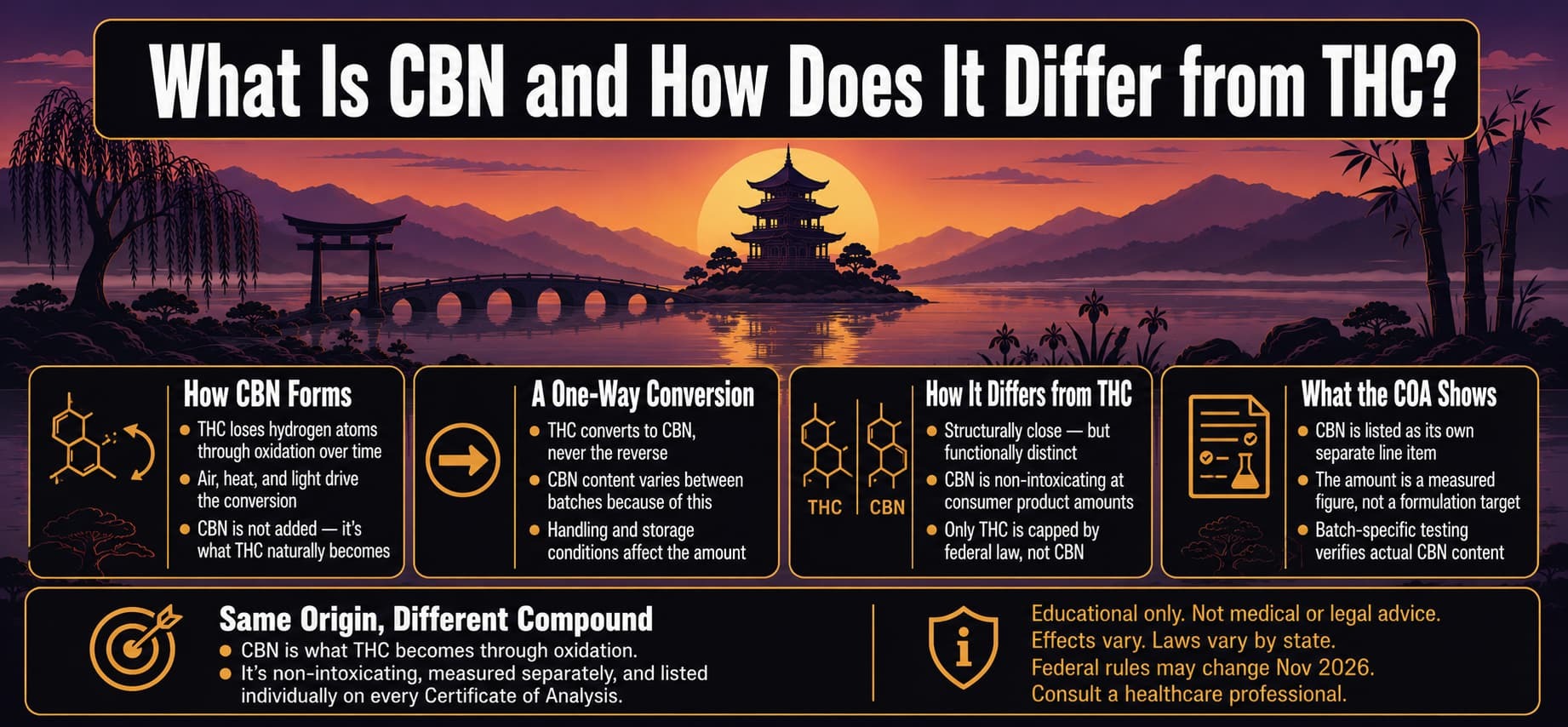
Cannabinol, or CBN, forms when delta-9 THC molecules lose hydrogen atoms through oxidation. It is not added to the plant. It is what THC becomes over time when exposed to air, heat, and light.
The conversion runs one direction only. CBN cannot convert back into THC.
Two practical consequences follow from that. The first is that CBN content varies between batches, since it depends partly on how the material was handled and stored. The second is that a formula listing a specific CBN amount is stating a measured figure rather than a formulation target, which is why the Certificate of Analysis lists it as its own line item.
Structurally the two compounds are close relatives. Functionally, in the regulatory sense that matters here, CBN is non-intoxicating at the amounts used in consumer products while delta-9 THC is the intoxicating one, which is why only the THC figure is capped by federal law.
What hemp products contain CBN?
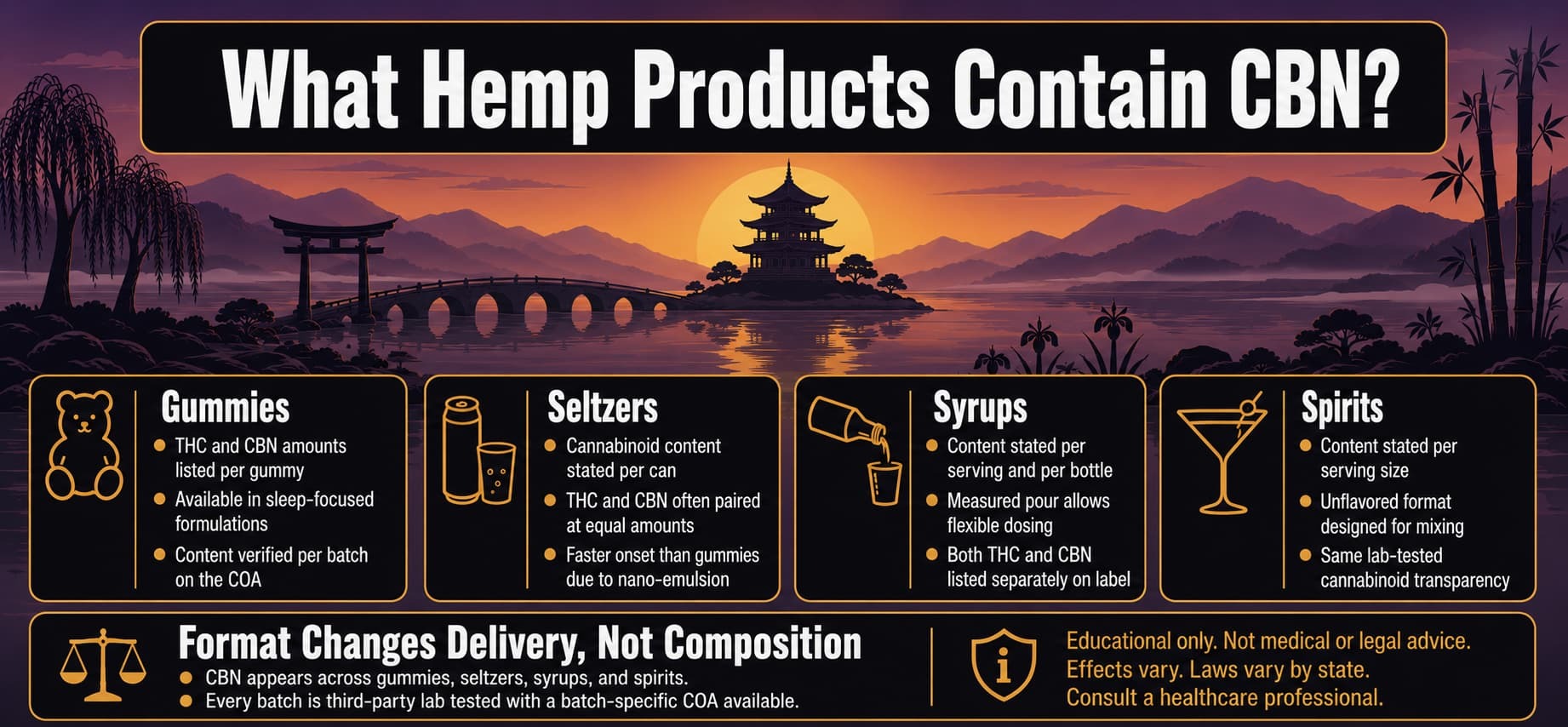
CBN appears across most of our formats, paired with delta-9 THC at stated milligram amounts. The format changes the delivery, not the composition.
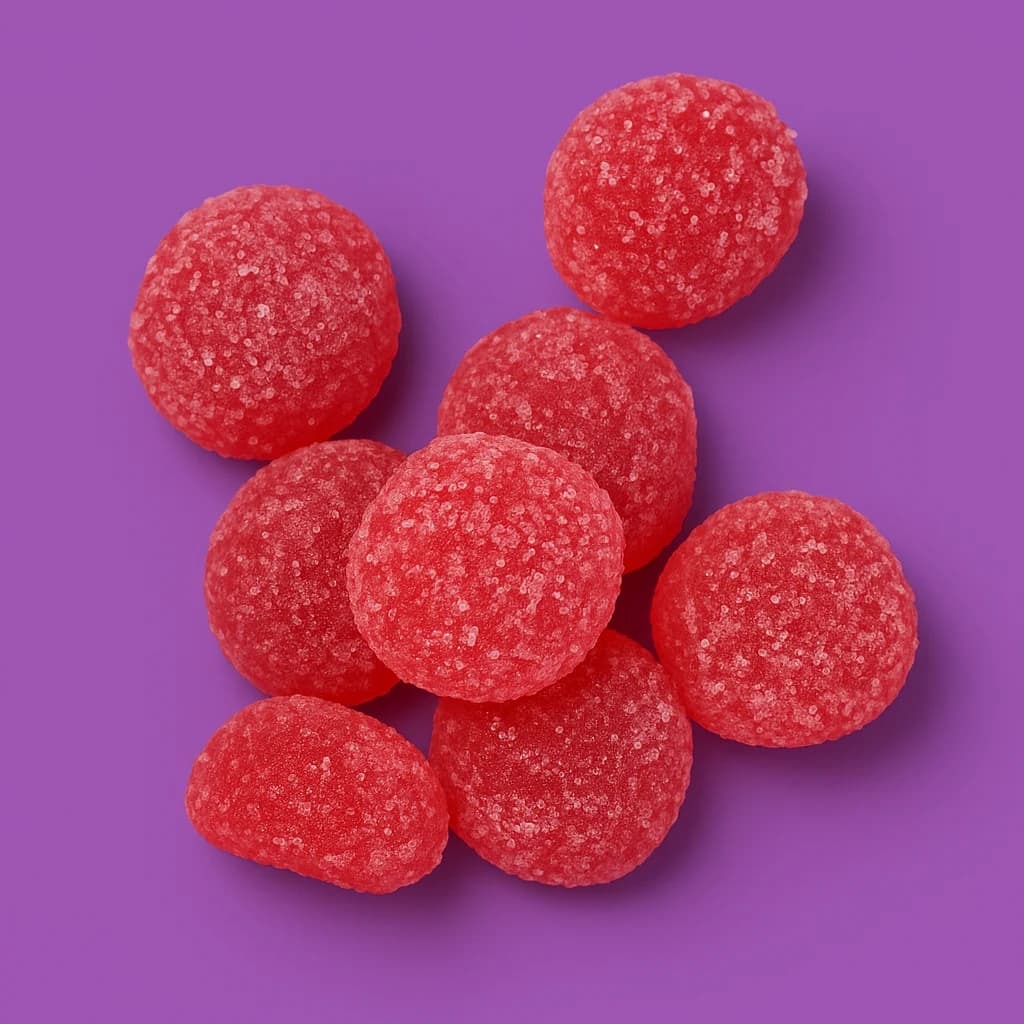
Gummies. Cannabinoid content is stated per gummy and per container. Our Deep Sleep THC and CBN gummies and Sleep gummies both list THC and CBN separately on the label.
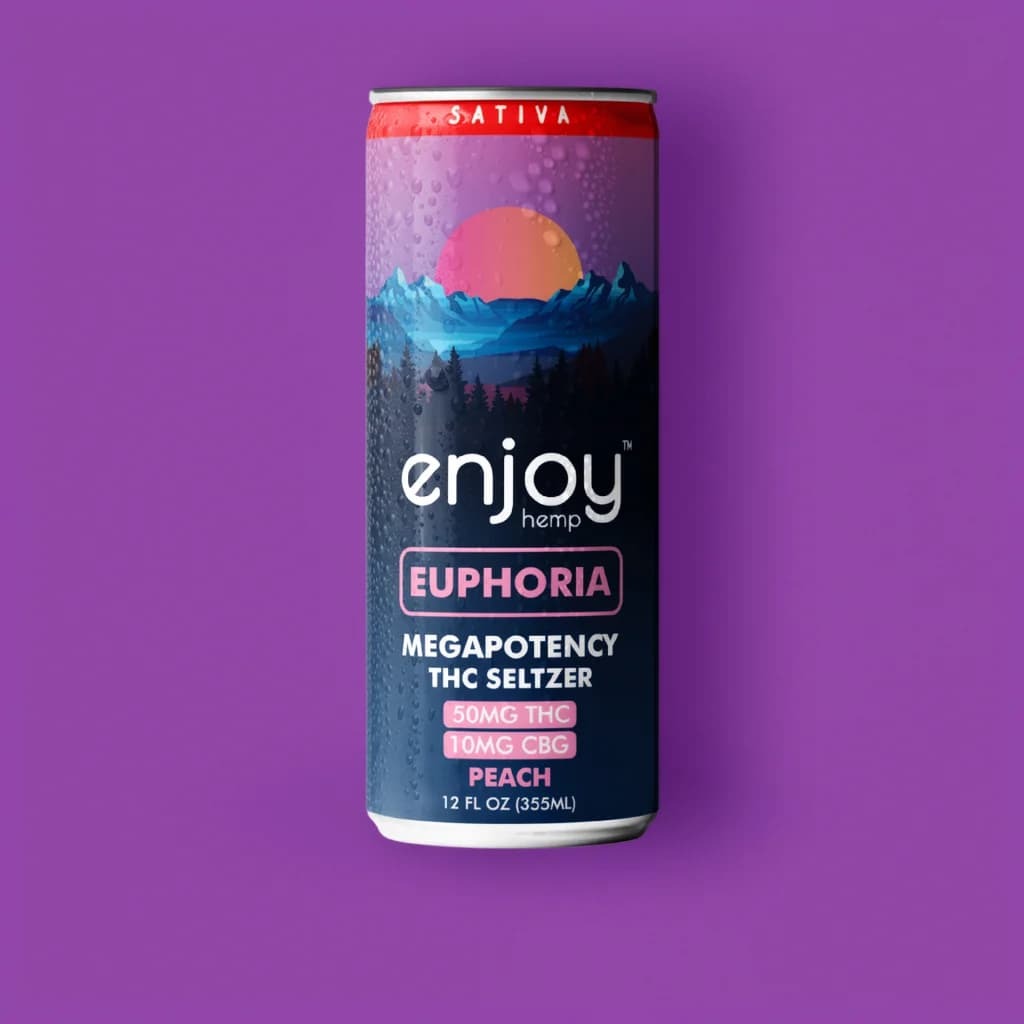
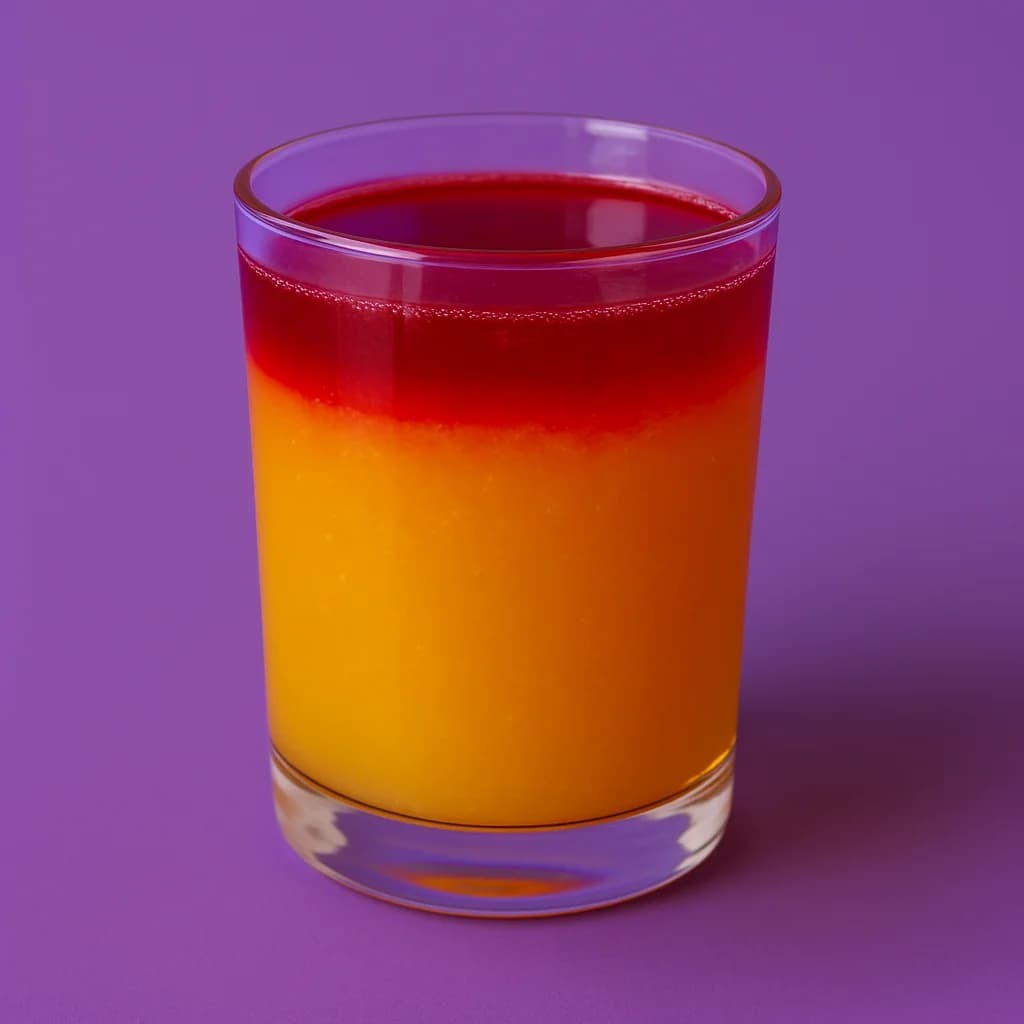
Seltzers. Content is stated per can. Our 10 mg THC and 10 mg CBN seltzer carries both cannabinoids at equal amounts.
Syrups. Content is stated per serving and per bottle, with a measured pour. Our THC and CBN syrup lists both.
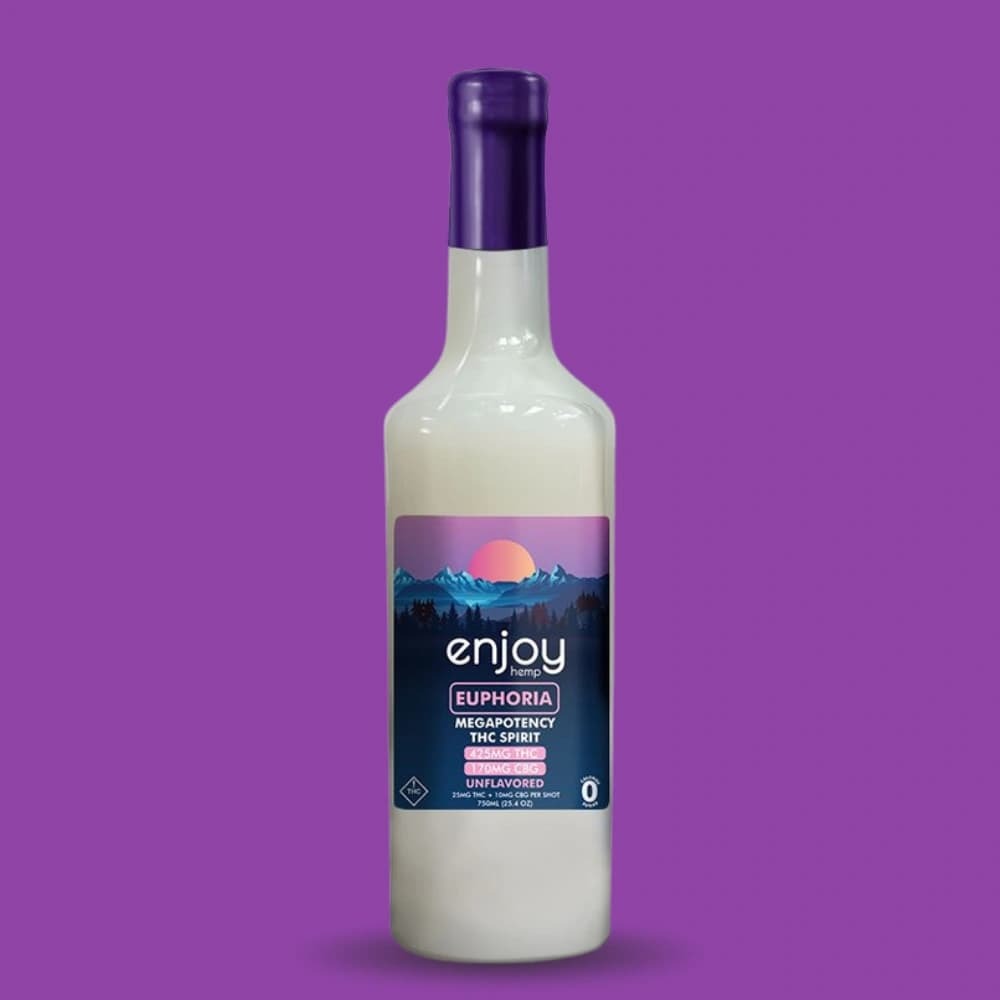
Spirits. Content is stated per serving. Our THC and CBN spirit is unflavoured and designed to be mixed.
Every batch across all four formats is tested by an accredited third-party lab, with a batch-specific Certificate of Analysis available.
What is THCA flower and how is it sold?
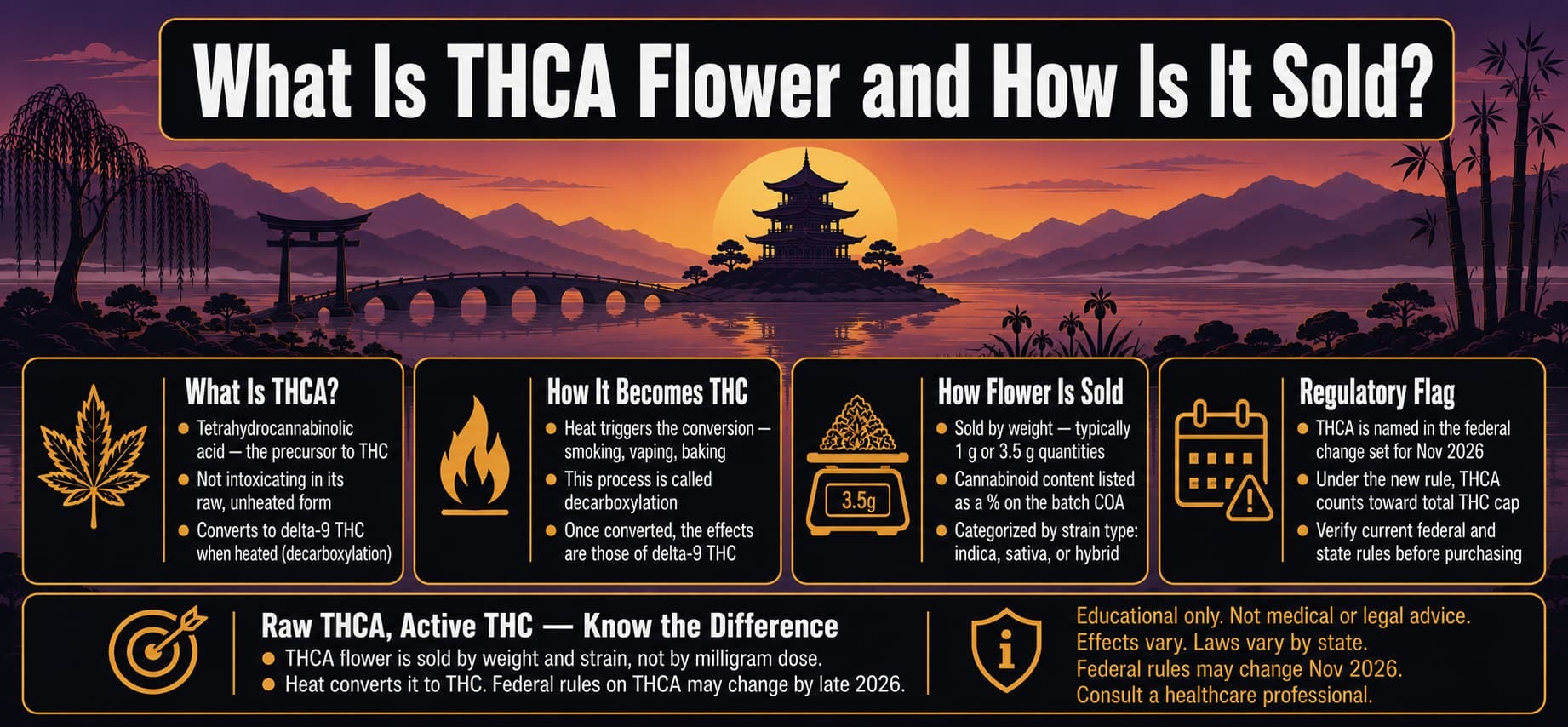
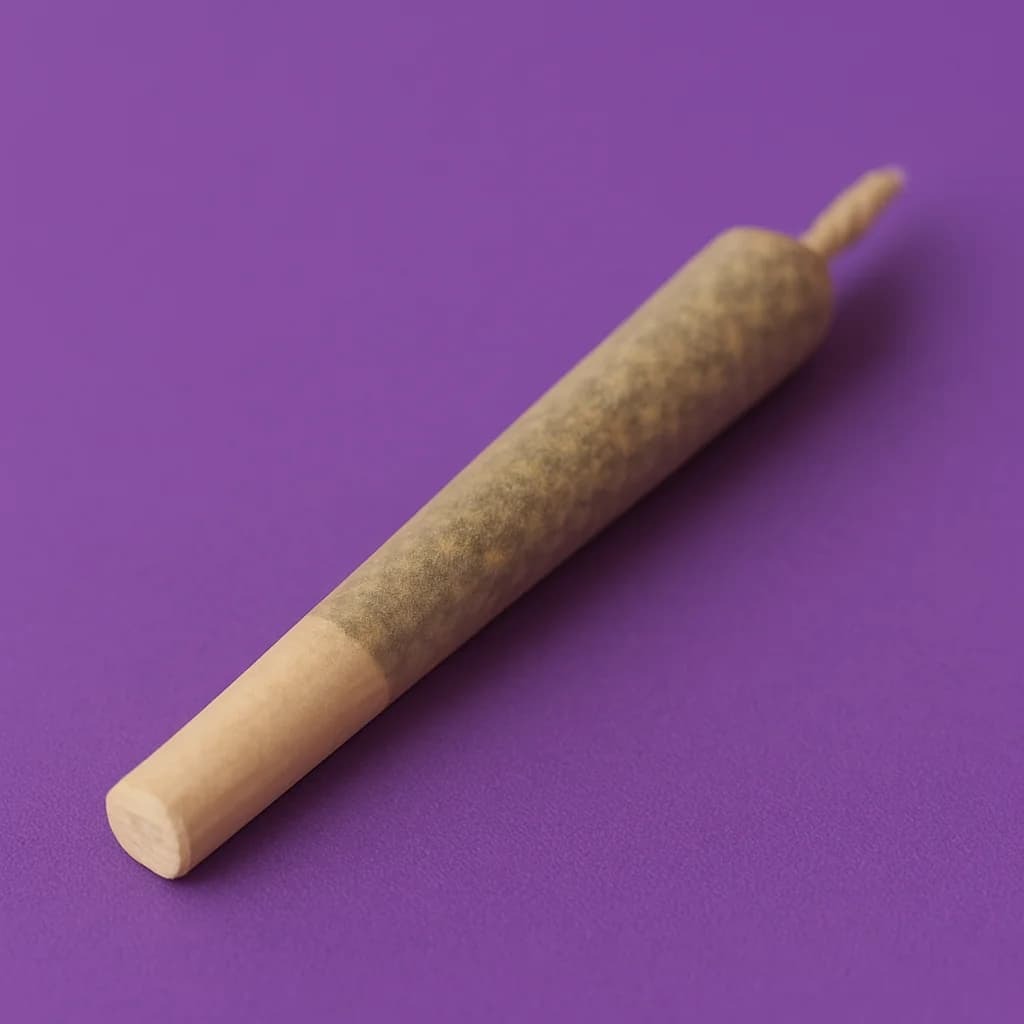
THCA is tetrahydrocannabinolic acid, the acidic precursor to delta-9 THC. In raw form it is not intoxicating. It converts to delta-9 THC when heated, a process called decarboxylation.
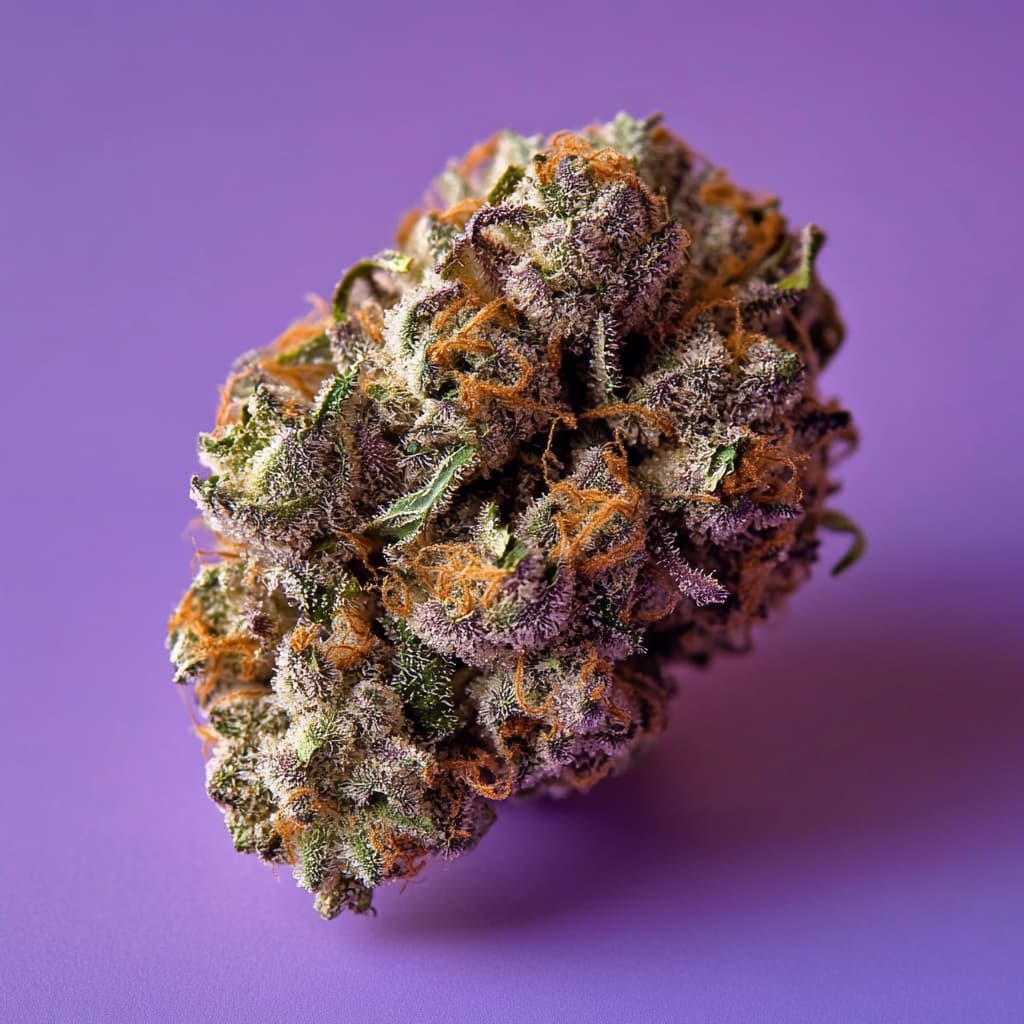
That chemistry changes how flower is sold. Where a gummy states milligrams per unit, flower is sold by weight, typically in 1 g or 3.5 g quantities, with total cannabinoid content given as a percentage on the batch Certificate of Analysis.
Flower is categorised by strain type rather than by milligram content. Our range covers indica, sativa, and hybrid varieties, including OG Kush and Granddaddy Purple.
One compliance note worth flagging for buyers: THCA is named specifically in the federal change scheduled for November 12, 2026. Under the new definition, THCA counts toward the total THC cap. Verify current federal and state rules before purchasing.
Are Hemp-Derived THC Products Legal?
Yes. Hemp-derived THC products containing less than 0.3% Delta-9 THC by dry weight are federally legal under the 2018 Farm Bill. These products can be shipped to most states, though some states have additional restrictions. Always verify your state's specific laws before purchasing.
The 2018 Farm Bill removed hemp from the Controlled Substances Act, creating a legal distinction between hemp (under 0.3% THC) and marijuana (over 0.3% THC). This opened the door for legal hemp-derived cannabinoid products nationwide.
Here's what this means practically:
- Products from compliant hemp are federally legal
- They can be sold online and shipped across state lines
- No medical card or dispensary visit required
- Quality varies widely because regulation is minimal
That last point is why choosing reputable brands matters so much. According to the FDA, hemp-derived products are still subject to applicable laws governing safety, labeling, and truthful marketing. Without strict oversight, the burden is on consumers to verify quality through third-party testing, organic certification, and transparent manufacturing practices.
Some states have enacted additional restrictions on hemp-derived THC products. States like Idaho, Arkansas, and Rhode Island have stricter interpretations. Check your local regulations before ordering, and remember that state laws can change.
Why Terpenes Matter as Much as Cannabinoids
Terpenes are aromatic compounds that work alongside cannabinoids to shape your experience. For sleep, myrcene, linalool, and caryophyllene are the most important terpenes to look for. These compounds have that enhance of THC and CBN.
When I was leading product development, we spent significant time on terpene profiles. They're not just about smell and taste. They actively influence how cannabinoids affect your body.
Think of it this way: two products with identical THC content can produce very different experiences depending on their terpene profiles. One might be energizing and creative. The other might put you in deep relaxation. Same THC. Different terpenes.
For sleep, prioritize these terpenes:
Myrcene (0.5%+ is ideal): The heavy hitter for sedation. Earthy, musky scent. Found abundantly in mangoes, hops, and lemongrass. This is the primary terpene responsible for that "sinking into the couch" feeling.
Linalool (0.1%+ is helpful): Floral, lavender-like. Calming without being heavily sedating. Reduces anxiety and creates a peaceful mental state conducive to sleep.
Caryophyllene: Spicy, peppery. Unique because it can interact directly with cannabinoid receptors. Anti-inflammatory and stress-reducing. Supports the overall relaxation profile.
When evaluating products, check if the brand provides terpene analysis on their COAs. Not all do, but the premium ones often will. This information helps you predict how a product will actually feel, beyond just potency numbers.
How to Choose the Right THC Brand for Your Needs
Choose a THC brand by verifying third-party testing, checking hemp sourcing, reviewing cannabinoid profiles, and reading real customer experiences. Prioritize brands that specialize in sleep formulations with CBN and use transparent manufacturing practices. Price shouldn't be your primary factor when quality directly affects results.
Here's my step-by-step approach when evaluating a new brand:
Step 1: Find the Lab Results
Can you access COAs directly from the website without emailing customer service? Are they batch-specific? Do they show both cannabinoid potency and contaminant testing? If a brand makes this difficult, move on.
Step 2: Verify Hemp Sourcing
Where does their hemp come from? Is it US-grown? Organic? Brands that are proud of their sourcing will tell you about it. Brands that aren't... won't.
Step 3: Check the Formulation
For sleep specifically, look for products designed with that purpose in mind. Random THC gummies might help you relax, but purpose-built sleep formulations with CBN and sedating terpenes work better, just as mushroom thc gummies are purpose-built for social and daytime use rather than nighttime.
Step 4: Read Reviews Carefully
Look for reviews that mention specific effects, not just "great product!" Customer feedback about onset time, duration, and next-day feelings gives you real information.
Step 5: Start Small
Even with a great brand, individual responses vary. Order a smaller quantity first to see how you respond before committing to bulk purchases.
At Enjoy Hemp, we check all these boxes: USDA-certified organic hemp, accessible lab testing, purpose-built sleep formulations, and a range of potencies for different tolerance levels.
Key Takeaways for Finding the Best THC for Sleep
Finding the right THC product for sleep requires looking beyond marketing claims. Prioritize brands with transparent third-party testing, organic hemp sourcing, and sleep-specific formulations containing CBN alongside THC. Start with low doses (2.5-5mg) and adjust gradually. The goal is restful sleep without next-day grogginess.
Here's what matters most:
- Quality over price: Cheap products often mean cheap ingredients and questionable testing
- CBN is your friend: Research supports CBN for reducing nighttime awakenings
- Terpenes matter: Look for myrcene and linalool in the profile
- Verify everything: Check COAs, sourcing, and compliance
Sleep is fundamental to everything else in life. If poor sleep is affecting your days, finding the right support matters. Hemp-derived THC products offer a natural alternative worth exploring, especially when you choose quality brands that take formulation seriously.
Our Chill Collection and targeted Sleep category exemplify what to look for in quality sleep products: organic sourcing, transparent testing, purpose-built formulations, and cannabinoid ratios designed specifically for nighttime use.
Frequently Asked Questions
Will THC products show up on a drug test?
Yes. Hemp-derived THC products can result in positive drug tests for THC. Even products under 0.3% Delta-9 THC may accumulate with regular use. If you're subject to drug testing, discuss this with your employer or avoid THC products entirely.
What's the difference between Delta-8 and Delta-9 THC for sleep?
Delta-9 THC is the primary psychoactive compound with stronger sedative effects. Delta-8 is milder, producing less intense psychoactive effects. For sleep, Delta-9 combined with CBN tends to be more effective, though Delta-8 may suit those sensitive to stronger THC effects.
About the Author
Sarah Mitchell is a wellness industry veteran with 15 years of experience in functional supplements and hemp-derived products. She previously led product development at two nationally recognized wellness brands and holds certification as a holistic health practitioner. Sarah now advises consumers on quality standards, helping them make informed decisions in the evolving hemp market.
Disclaimer: These statements have not been evaluated by the Food and Drug Administration. These products are not intended to diagnose, treat, cure, or prevent any disease. Consult your healthcare provider before using hemp products, especially if you take medications or have health conditions. Products contain less than 0.3% Delta-9 THC in compliance with the 2018 Farm Bill.