













THC Oil vs Vape Cartridges: Onset, Duration, and Format Comparison Guide
Posted by Enjoy Hemp Editor Team on Sep 17th 2026
Last Updated: September 2026
By Sarah Mitchell, Wellness Industry Specialist
THC oil and vape cartridges represent two fundamentally different approaches to cannabinoid delivery. THC oils (tinctures) are liquid extracts taken sublingually or added to food, with onset times of 15-45 minutes and durations of 4-6 hours. Vape cartridges heat concentrated oil into inhalable vapor, producing effects within 1-5 minutes that last 1-3 hours.
The right format depends on your priorities. Need fast-acting, short-duration experiences? Vapes deliver. Prefer longer duration with precise dosing and no inhalation? Oils make more sense. Many consumers use both formats for different situations throughout the day.
After 15 years evaluating cannabis products across every format category, I've found that understanding the absorption mechanics behind each option helps people make better choices. This guide breaks down the science, practical differences, and situations where each format excels.
What Is THC Oil and How Does It Work?
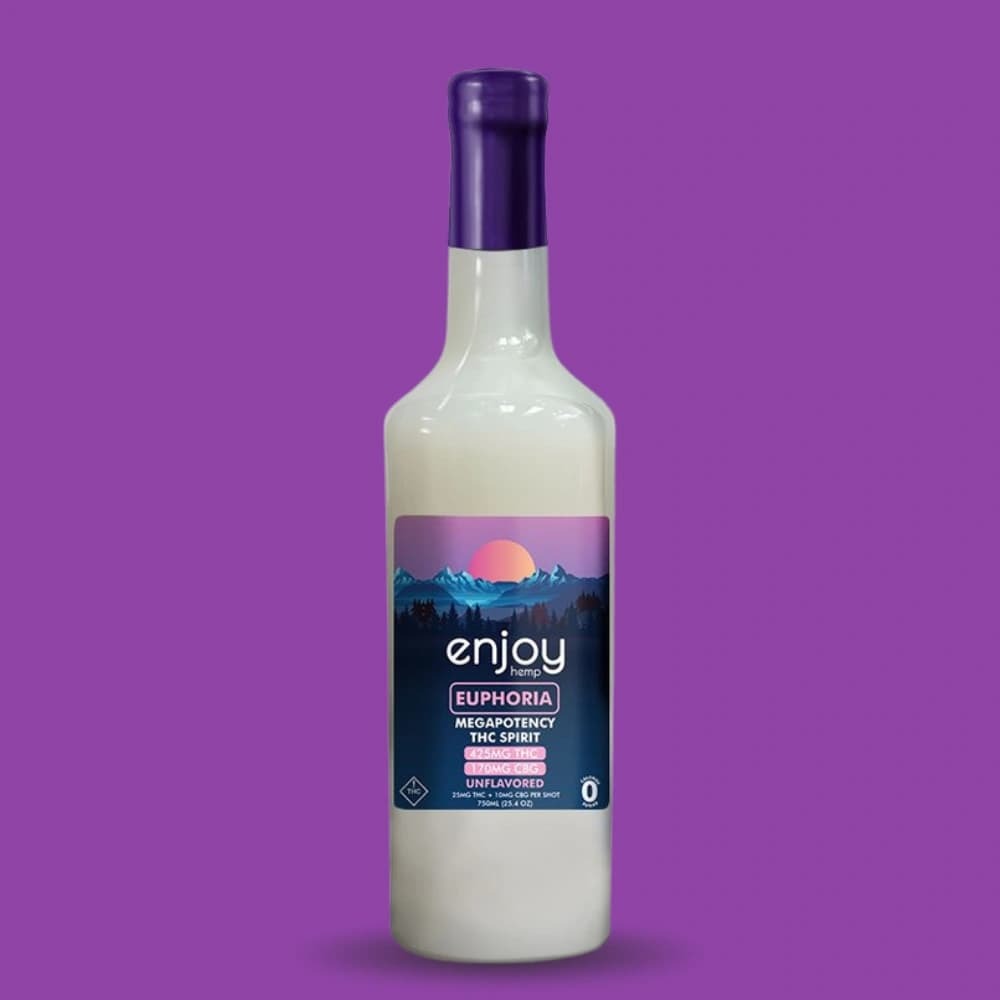
THC oil, commonly called a tincture, is a liquid cannabis extract dissolved in a carrier fluid like MCT oil, food-grade alcohol, or hemp seed oil. The extract is dispensed using graduated droppers that allow precise milliliter measurements, with each bottle labeled to show THC milligrams per dropper.
Sublingual Administration
The primary method for using THC oil is sublingual: placing drops under the tongue and holding for 60-90 seconds before swallowing. The thin tissue under the tongue (sublingual mucosa) contains dense capillary networks that absorb cannabinoids directly into the bloodstream.
This direct absorption bypasses the digestive system and first-pass liver metabolism, which is why sublingual administration produces faster effects than swallowed edibles. Research indicates sublingual bioavailability (the percentage of cannabinoids that reach your bloodstream) ranges from 40-50%, compared to 6-20% for swallowed edibles.
Oral Ingestion Alternative
THC oils can also be swallowed directly or mixed into food and beverages. When ingested this way, they follow the same absorption pathway as edibles: through the digestive system, processed by the liver, converted to 11-hydroxy-THC. This means longer onset (60-90 minutes) but potentially longer duration (6-8 hours).
Many users employ a hybrid approach: hold sublingually for initial absorption, then swallow the remainder for extended effects.
THC Oil Characteristics
- Onset time: 15-45 minutes (sublingual); 60-90 minutes (swallowed)
- Duration: 4-6 hours (sublingual); 6-8 hours (swallowed)
- Bioavailability: 40-50% (sublingual); 6-20% (swallowed)
- Dosing precision: Excellent (measured droppers)
- Discretion: Very high (no vapor, no odor)
What Are THC Vape Cartridges and How Do They Work?
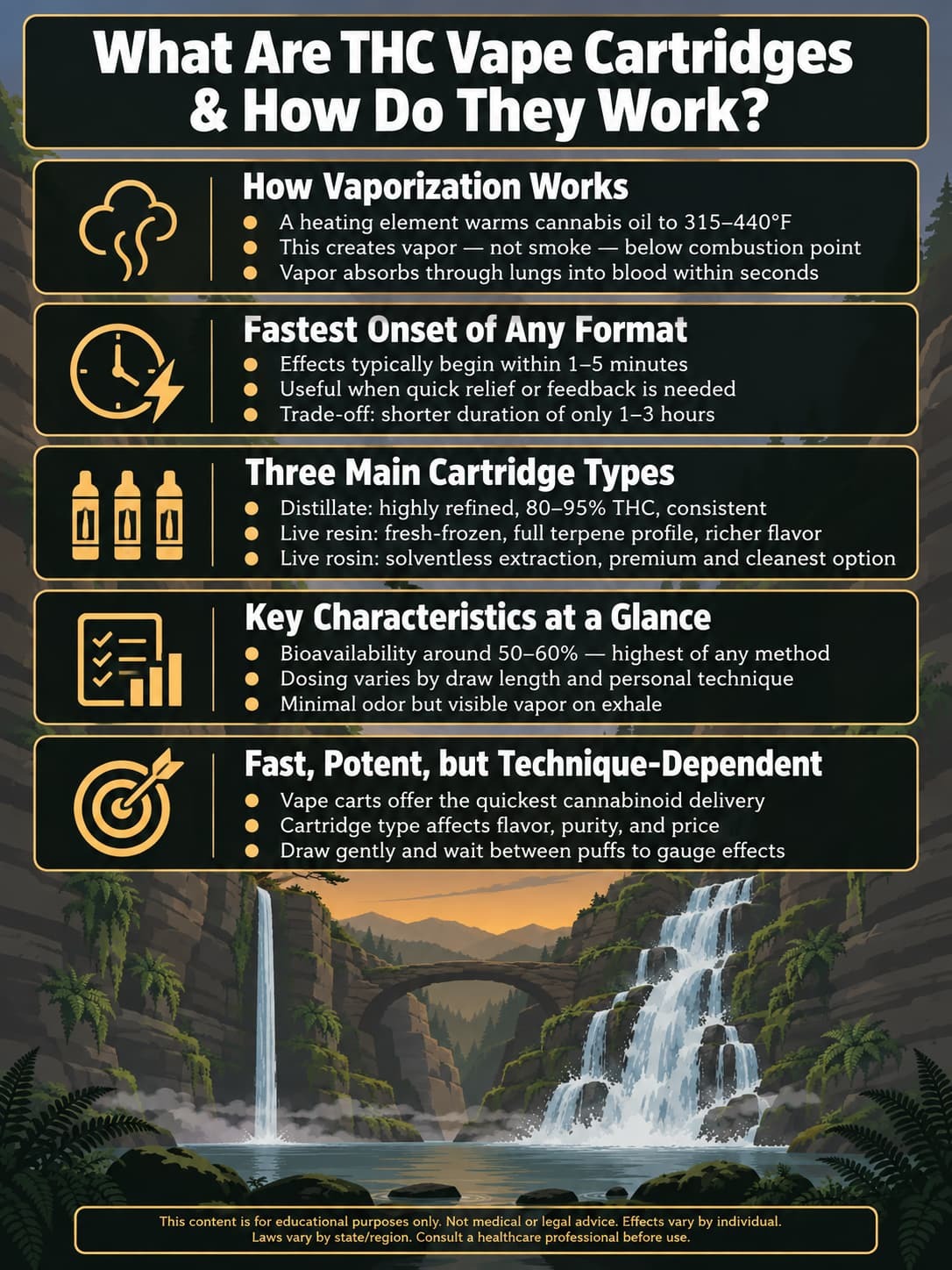
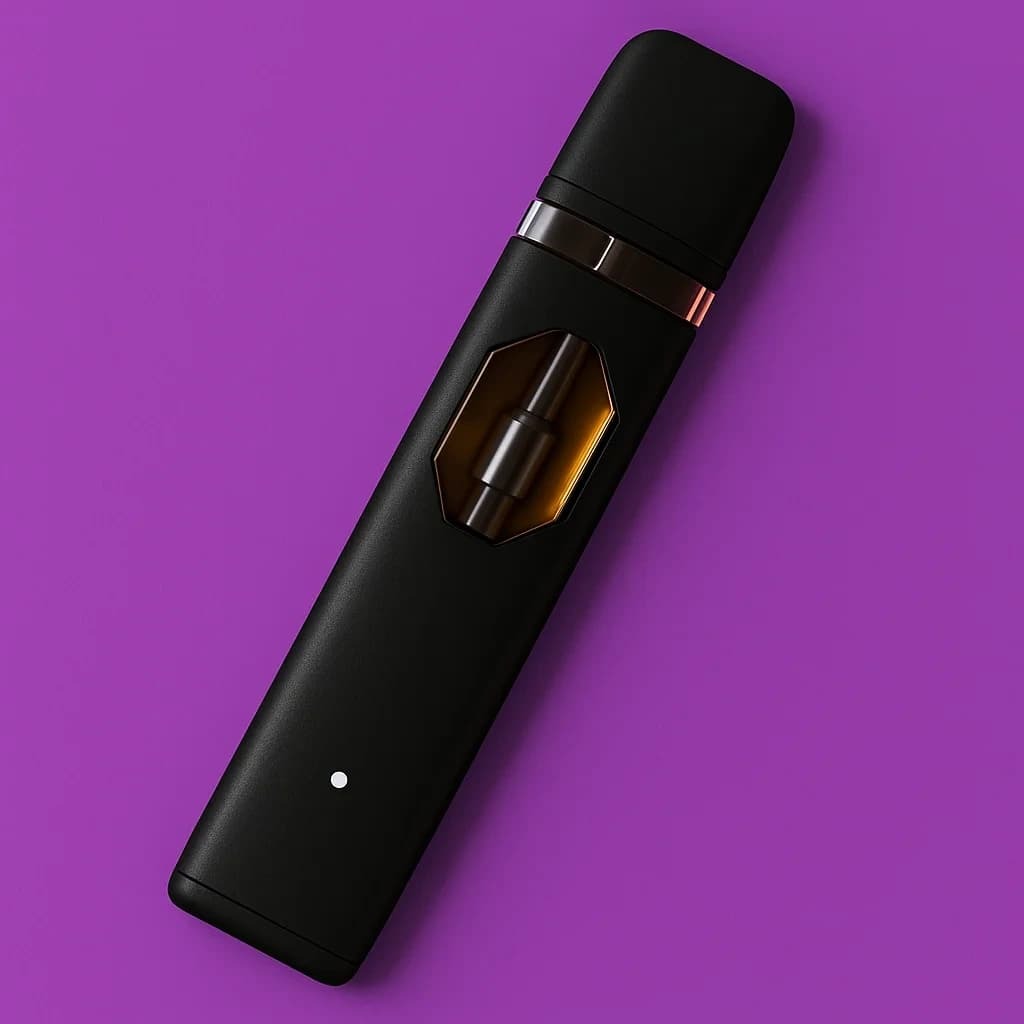
THC vape cartridges are small glass containers pre-filled with concentrated cannabis oil designed for vaporization. They attach to battery-powered heating elements (vape pens) that warm the oil to temperatures that convert it to inhalable vapor without combustion.
Inhalation Mechanics
When you draw on a vape cartridge, the heating element (atomizer) activates, warming the oil to approximately 315-440°F. This produces vapor rather than smoke, as the temperatures remain below combustion point. The vapor travels through your lungs into the bloodstream within one or two breath cycles.
This lung-to-blood pathway is the fastest cannabinoid delivery method. Effects typically begin within 1-5 minutes, making vapes useful for situations requiring quick onset. However, this speed also means the experience tends to be shorter: 1-3 hours rather than the 4-8 hours typical of oral methods.
Cartridge Types
Distillate cartridges: Highly refined oil with THC concentrations of 80-95%. The distillation process removes most terpenes, so manufacturers often reintroduce terpenes for flavor. Clean, consistent, predictable.
Live resin cartridges: Made from fresh-frozen cannabis, preserving the full spectrum of cannabinoids and terpenes. Richer flavor profiles, often described as closer to flower. Typically 20-40% more expensive than distillate.
Live rosin cartridges: Solventless extraction using heat and pressure. Premium option for consumers avoiding solvent-based extracts. Most expensive cartridge category.
Vape Cartridge Characteristics
- Onset time: 1-5 minutes
- Duration: 1-3 hours
- Bioavailability: 50-60%
- Dosing precision: Moderate (varies by draw length and technique)
- Discretion: Moderate (minimal odor, but visible vapor)
How Do THC Oil and Vape Cartridges Compare?
These two formats differ across nearly every dimension. Understanding the trade-offs helps match the format to your specific needs.
| Factor | THC Oil (Tincture) | Vape Cartridge |
|---|---|---|
| Onset Time | 15-45 min (sublingual) | 1-5 min |
| Duration | 4-6 hours | 1-3 hours |
| Bioavailability | 40-50% | 50-60% |
| Dosing Precision | Excellent | Moderate |
| Discretion | Very High | Moderate |
| Lung Exposure | None | Yes (vapor) |
| Equipment Needed | None | Battery/pen |
| Portability | Good (glass bottle) | Excellent |
Which Format Provides Faster Onset?
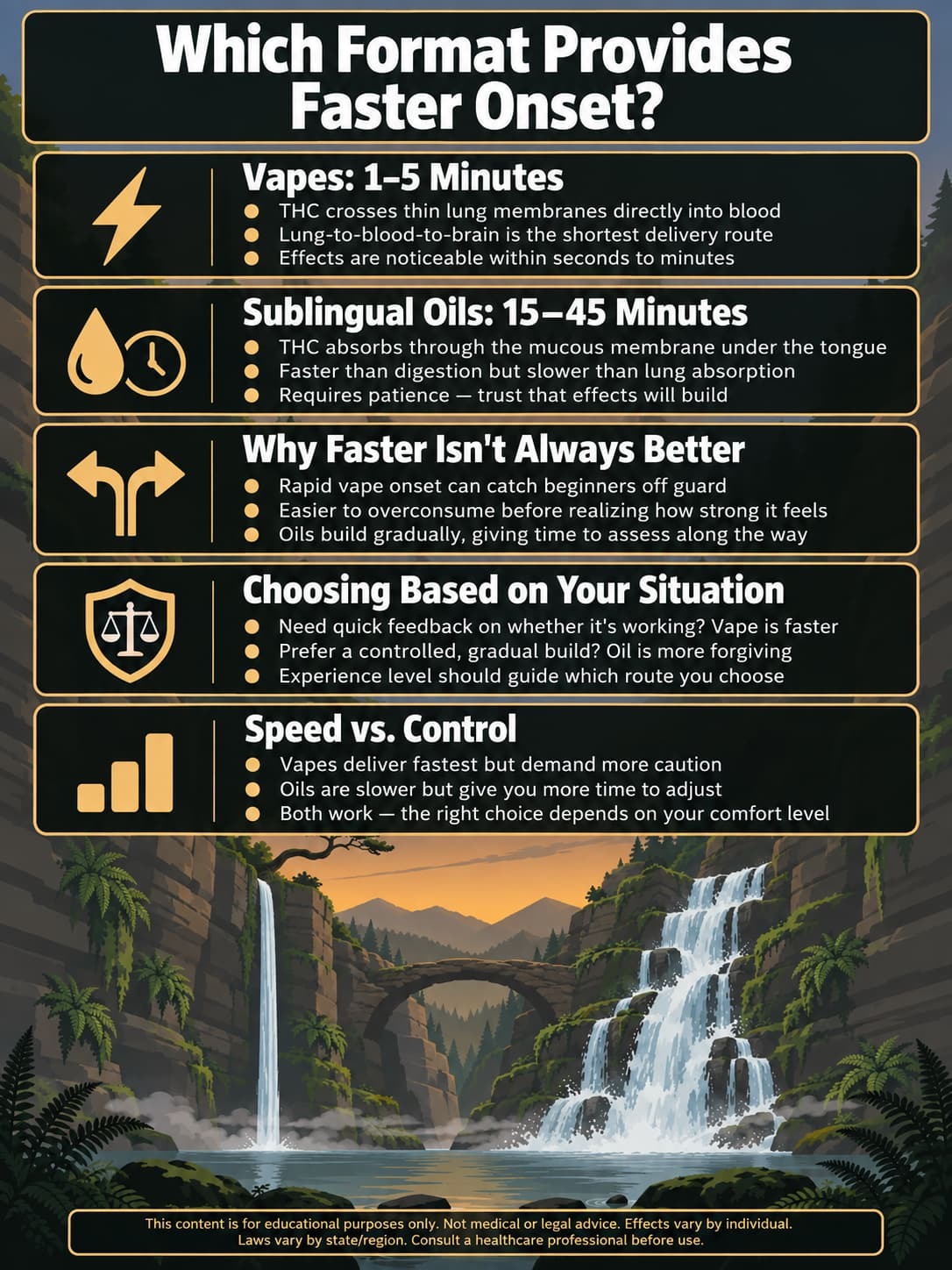
Vape cartridges produce faster onset by a significant margin. Effects typically begin within 1-5 minutes of inhalation, compared to 15-45 minutes for sublingual THC oil. This difference stems from the absorption pathways.
Why Vapes Are Faster
When you inhale vaporized THC, it passes through the thin membranes of your lung alveoli directly into the bloodstream. From there, it reaches the brain within seconds. This lung-to-blood-to-brain pathway is the shortest possible route for cannabinoid delivery.
Why Oils Take Longer
Even with sublingual administration, THC oil must cross the mucous membrane under your tongue, then travel through the bloodstream. While much faster than digestive absorption, it's still slower than lung absorption.
Practical Implications
The faster onset of vapes makes them useful for situations requiring quick response. If you need to know within minutes whether a product is working, vapes provide that feedback. Oils require patience, trusting that effects will arrive within 30-45 minutes.
However, faster isn't always better. The rapid onset of vapes can catch inexperienced users off-guard, making it easier to overconsume before realizing how strong the effects are becoming. Oils build more gradually, giving you time to assess.
Which Format Lasts Longer?
THC oil significantly outlasts vape cartridges in duration. Sublingual oil typically produces effects for 4-6 hours, while vaped THC lasts 1-3 hours. If you swallow THC oil (or mix it into food), duration can extend to 6-8 hours.
Duration Trade-Offs
Longer duration means fewer re-doses throughout the day or evening. One sublingual dose of THC oil in the evening might cover several hours, while vaping might require multiple sessions for the same timeframe.
Shorter duration can be advantageous when you want time-limited experiences. A 1-2 hour vape experience fits into a lunch break or pre-dinner window more easily than a 4-6 hour oil experience.
Sleep Considerations
For evening use when extended duration is desirable, oils often make more practical sense. A dose taken before bed can provide sustained cannabinoid presence throughout the night. Vapes, with their shorter duration, might wear off before morning.
Our Sleep gummies and Sleep syrup are formulated for extended duration, combining THC with CBN for evening use.
How Does Dosing Precision Compare?
THC oils offer superior dosing precision compared to vape cartridges. This difference matters significantly for consumers who need consistent, repeatable experiences.
Oil Dosing Advantages
THC oil bottles are labeled with exact milligrams per dropper (or per milliliter). A bottle containing 1000mg THC in 30mL provides approximately 33mg per full dropper. Taking half a dropper delivers approximately 16.5mg. This precision allows you to:
- Start with low doses (2.5-5mg) and increase gradually
- Repeat the exact same dose each time
- Adjust doses in small increments based on experience
- Track consumption accurately over time
Vape Dosing Challenges
Vape dosing is less precise because it depends on variables you can't easily control:
- Draw length: Longer inhales deliver more THC
- Draw depth: Deeper inhalation increases absorption
- Temperature settings: Higher temps vaporize more oil
- Cartridge concentration: Varies from 50% to 95% THC
- Personal technique: Varies between individuals and sessions
Some vape manufacturers estimate 2-3mg THC per average puff, but this is approximate. Two people taking "one puff" from the same cartridge may experience very different effects.
Who Needs Precise Dosing?
Precise dosing matters most for:
- Beginners learning their individual response
- Consumers who want consistent, predictable experiences
- Users tracking consumption for personal reasons
- Anyone sensitive to dose variations
If you're comfortable with approximate dosing and can adjust based on feel, vapes work fine. If you want to know exactly how much THC you're consuming, oils provide that control.
What Are the Discretion Differences?
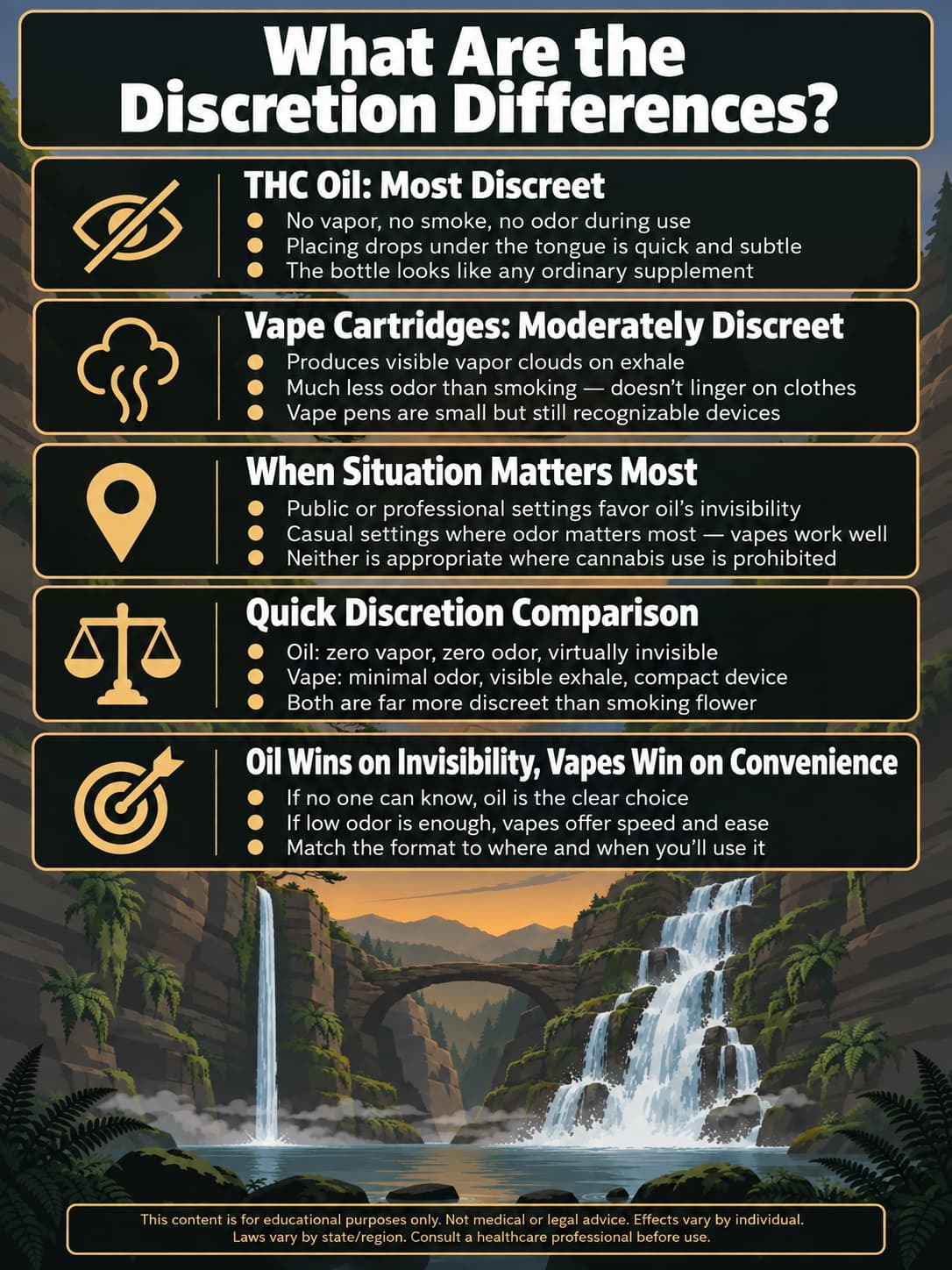
Both formats offer discretion compared to smoking flower, but THC oil is more discreet overall.
THC Oil Discretion
Sublingual oil administration produces no vapor, no smoke, and no odor. The action of placing drops under your tongue is subtle and quick. The bottle resembles any supplement or tincture. Unless someone watches you administer the drops, there's no visible indication of cannabis use.
Vape Cartridge Discretion
Vaping produces visible vapor clouds, though much less odor than smoking flower. The vapor dissipates quickly and doesn't linger on clothing or in rooms the way smoke does. However, the act of vaping is visible, and vape pens are recognizable devices.
Modern vape devices have become smaller and more discreet, but they still produce exhaled vapor that's visible to others nearby.
Situational Considerations
For truly discreet consumption in public or professional settings, THC oil has the advantage. For casual discretion where minimal odor matters more than invisibility, vapes work well. Neither is appropriate for situations where cannabis use is prohibited.
Do THC Oil and Vapes Require Different Equipment?
THC oil requires no equipment beyond the bottle and dropper it comes in. Vape cartridges require a compatible battery device.
Oil Simplicity
THC oil is self-contained. Open the bottle, measure your dose with the included dropper, administer sublingually or add to food/drink. No charging, no maintenance, no compatibility concerns. The simplicity appeals to consumers who want minimal friction between deciding to use a product and actually using it.
Vape Equipment Requirements
Vape cartridges require:
- Compatible battery: Most cartridges use 510-thread connections, but compatibility varies
- Charged battery: Dead batteries mean no use until recharged
- Proper settings: Temperature and voltage affect the experience
- Maintenance: Batteries require occasional cleaning and eventual replacement
Disposable vapes eliminate most equipment concerns by combining battery and cartridge into a single unit. When it's empty, you discard the entire device. Our disposable vape collection offers this convenience.
How Do Portability and Convenience Compare?
Both formats are portable, but they excel in different ways.
Vape Portability Advantages
Vape cartridges and pens are extremely compact. A disposable vape fits in a pocket, small purse, or even a wallet-sized case. They're durable (no glass to break), don't leak when oriented correctly, and require no preparation before use.
For on-the-go consumption, concerts, hiking, travel, or any situation where you want cannabis accessibility with minimal bulk, vapes are hard to beat.
Oil Portability Considerations
THC oil bottles are typically glass, which adds weight and breakage risk. While small bottles (15-30mL) are reasonably portable, they're less pocket-friendly than vapes. You also need a moment to measure and administer the dose, which is slightly more involved than taking a puff.
That said, oil bottles travel well in bags or purses and don't depend on battery charge. A bottle won't die on you mid-trip the way a vape battery might.
What About Lung Health Considerations?
This is where the formats differ most significantly. THC oil involves no lung exposure whatsoever. Vaping does.
THC Oil: No Inhalation
Sublingual and oral administration bypass the respiratory system entirely. For consumers who prefer avoiding any lung exposure, whether due to personal preference, respiratory conditions, or general health concerns, oils provide THC access without inhalation.
Vaping: Reduced Risk Compared to Smoking
Vaporization heats cannabis oil below combustion temperature, meaning you're inhaling vapor rather than smoke. Research suggests vaping produces fewer harmful byproducts than combustion. Many users report vaping feels smoother and less harsh on the throat compared to smoking flower.
However, "less harmful than smoking" doesn't mean "harmless." Long-term vaping research is still emerging, and concerns about certain additives in vape oils (particularly vitamin E acetate in unregulated products) have led to increased scrutiny of vape product quality.
Quality Matters
If you choose vaping, product quality becomes especially important. Third-party lab testing should verify:
- Cannabinoid potency matches label claims
- No residual solvents from extraction
- No pesticides, heavy metals, or microbial contamination
- No harmful additives like vitamin E acetate
All Enjoy Hemp products undergo third-party testing for potency and purity. Our THCA disposable vapes contain lab-verified cannabis oil with no harmful additives.
When Is THC Oil the Better Choice?
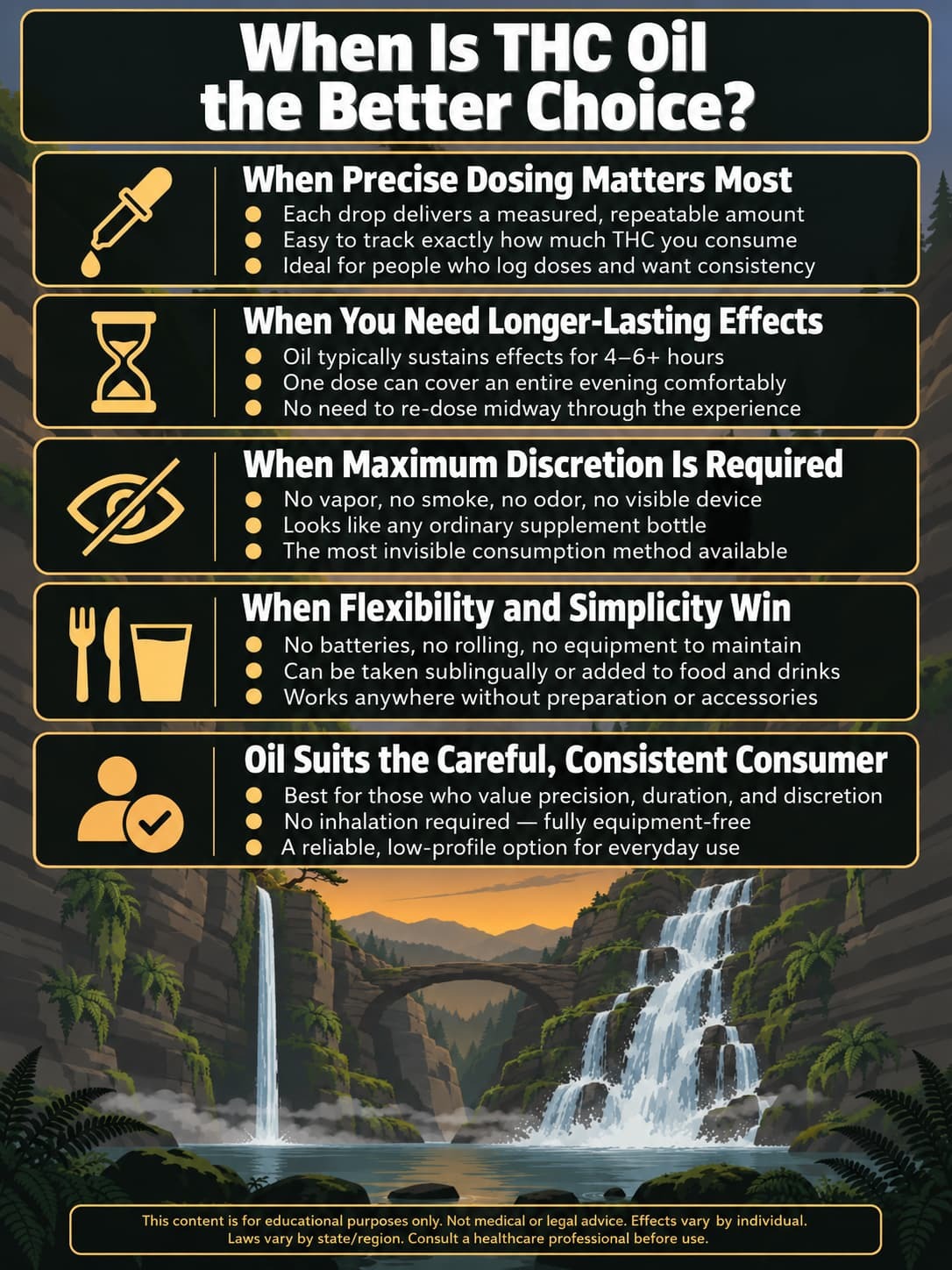
THC oil fits certain situations and preferences better than vaping.
Best For
- Precise dosing needs: When you want to know exactly how much THC you're consuming
- Extended duration: When you need 4-6+ hours of sustained effects
- Maximum discretion: When no visible vapor or identifiable device is acceptable
- No inhalation preference: When you want to avoid any lung exposure
- Equipment-free simplicity: When you don't want to maintain batteries or devices
- Flexible consumption: When you might add THC to food or beverages
Typical Oil Users
Consumers who gravitate toward THC oil often prioritize consistency and control. They may track their doses, prefer predictable experiences, and value the flexibility to use the product in multiple ways.
When Are Vape Cartridges the Better Choice?
Vape cartridges excel in different scenarios.
Best For
- Fast onset needs: When you want effects within minutes, not 30-45 minutes
- Short duration preference: When you want a 1-3 hour experience rather than all-day
- Maximum portability: When pocket-sized convenience matters most
- On-the-go situations: When you need quick access without preparation time
- Flavor variety: When exploring different strain profiles and terpene blends
- Familiar ritual: When you're accustomed to inhalation-based cannabis use
Typical Vape Users
Vape users often prioritize speed and convenience. They may use cannabis more casually, appreciate the ritual of inhalation, and value the compact form factor for active lifestyles.
Can You Use Both Formats Together?
Yes, and many experienced consumers do exactly that. Using both formats strategically addresses the limitations of each individual method.
Layering Strategy
Some users take THC oil for sustained baseline effects, then use a vape for faster-acting supplementation when needed. For example:
- Evening: Take sublingual oil at 7pm for 4-6 hours of effects
- Later: If effects fade before desired, a quick vape session extends the evening
This layering approach combines the extended duration of oils with the rapid onset of vapes.
Situational Switching
Other users choose formats based on the situation:
- At home in the evening: THC oil for extended, controlled experience
- Out socially: Compact vape for quick, portable access
- Before sleep: Oil for sustained overnight presence
- During the day: Low-dose vape for brief, time-limited windows
What THC Formats Does Enjoy Hemp Offer?
Our product line includes multiple THC delivery formats designed for different preferences and situations.
Gummies and Edibles
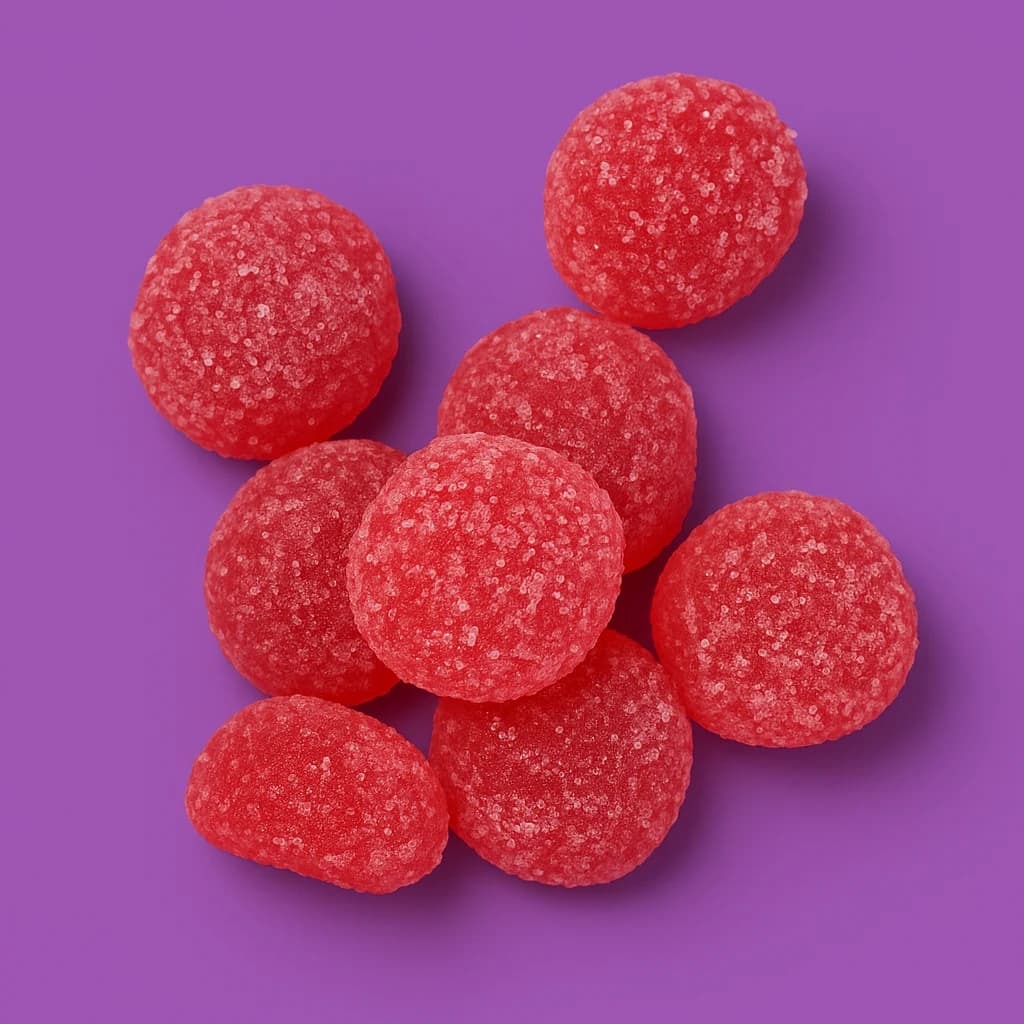
Our gummy collection spans multiple potencies, cannabinoid profiles, and intended use cases. Gummies provide the extended duration of oral consumption with consistent pre-measured doses. Options include:
- Microdose gummies (5mg) for beginners
- Medium-dose gummies (10-25mg) for regular users
- High-potency gummies for experienced consumers
Beverages
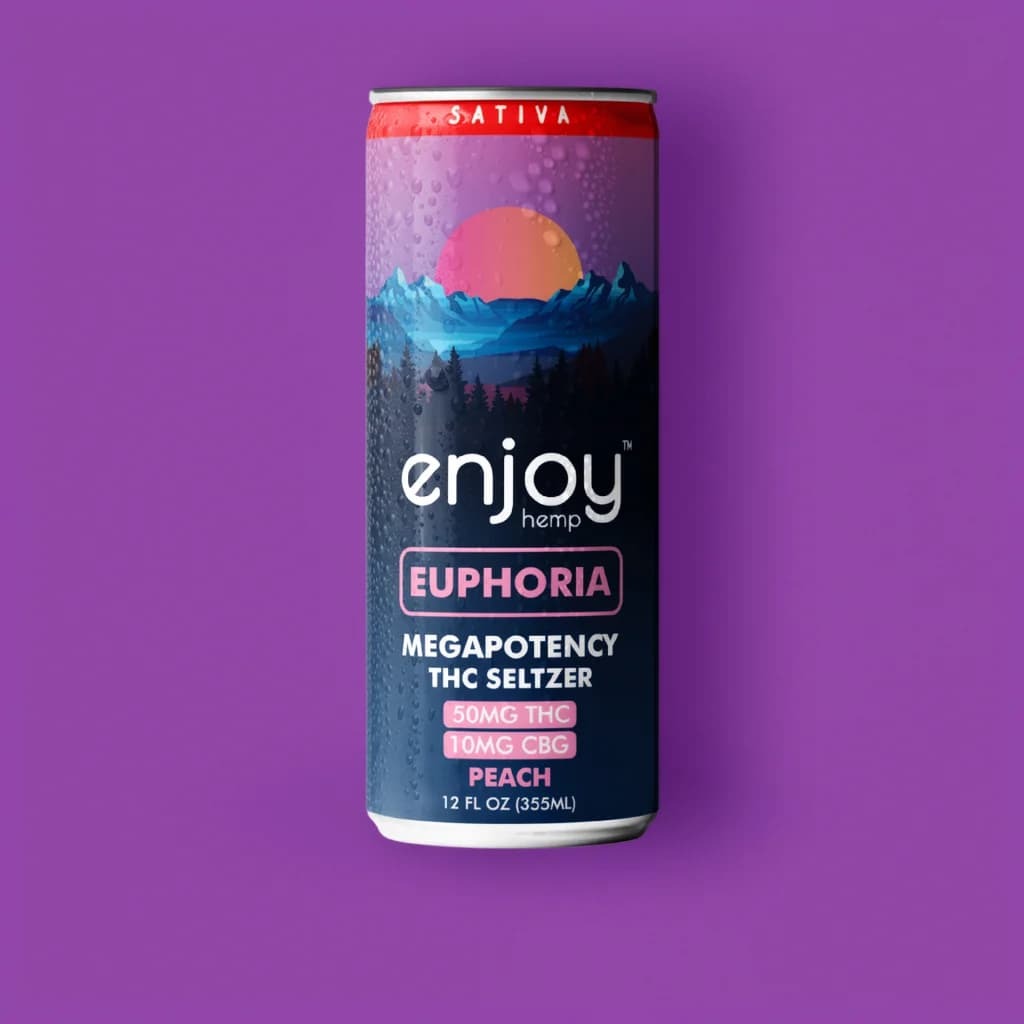
Our THC seltzer collection uses nanoemulsion technology for faster onset than traditional edibles (15-30 minutes). Options include various cannabinoid combinations:
- THC + CBD seltzers for balanced profiles
- THC + CBN seltzers for evening use
- Variety packs for exploring multiple options
Syrups
Our THC syrup collection offers concentrated oral cannabis in mixable liquid form. Syrups can be added to any beverage or consumed directly:
- Chill syrup with indica profile
- Sleep syrup combining THC and CBN
- Balance syrup with THC + CBD
THCA Disposable Vapes
Our THCA disposable vape collection provides convenient inhalation options. THCA converts to THC when heated, delivering classic cannabis effects through vaporization. Disposables require no separate battery or cartridge purchases.
Flower and Pre-Rolls
For consumers who prefer whole-plant cannabis, our THCA flower and pre-roll collections offer traditional consumption formats with the convenience of federally compliant hemp products.
How Do You Choose the Right Format for Your Routine?
Consider these questions when deciding between THC oil and vape cartridges:
Timing Questions
- How quickly do you need effects? Immediate (vape) or within 30-45 minutes (oil) is acceptable?
- How long do you want effects to last? 1-3 hours (vape) or 4-6+ hours (oil)?
- What time of day will you use it? Evening (oil for duration) or daytime (vape for shorter windows)?
Control Questions
- How important is dosing precision? Very important (oil) or comfortable with approximation (vape)?
- Do you want to track consumption exactly? Yes (oil) or general awareness is fine (vape)?
- Are consistent, repeatable experiences important? Yes (oil) or variety is acceptable (vape)?
Lifestyle Questions
- Will you use it at home or on-the-go? Home (either) or frequently mobile (vape)?
- Is discretion important? Maximum discretion (oil) or casual discretion (vape)?
- Do you want to avoid lung exposure? Yes (oil) or comfortable with vapor (vape)?
- Do you want equipment-free use? Yes (oil) or don't mind batteries (vape)?
No Wrong Answers
Neither format is objectively better. They serve different needs. Many consumers keep both on hand and choose based on the situation. Start with whichever format aligns more closely with your priorities, then explore the other if curiosity remains.
Frequently Asked Questions About THC Oil vs Vape Cartridges
Is THC oil the same as vape cartridge oil?
No. THC oil (tincture) is formulated for sublingual or oral consumption, typically using carrier oils like MCT or hemp seed oil. Vape cartridge oil is formulated specifically for vaporization and may contain different carrier fluids or additives. Never consume vape cartridge oil orally or use sublingual tinctures in vaporizers.
Which gets you higher: THC oil or vape?
The THC molecule is the same in both formats. At equivalent milligram doses, neither is inherently stronger. However, the experience curves differ. Vapes produce faster, more intense peaks that fade quicker. Oils produce more gradual onset with longer duration. "Stronger" depends on whether you're comparing peak intensity or total duration.
How long do THC oil effects last compared to vaping?
THC oil taken sublingually typically produces effects lasting 4-6 hours. If swallowed, effects can last 6-8 hours. Vaped THC typically lasts 1-3 hours. The longer duration of oils means fewer doses needed for extended time periods.
Can you mix THC oil with food or drinks?
Yes. THC oil can be added to any food or beverage. When consumed this way (rather than sublingually), it follows edible-style absorption: longer onset (60-90 minutes) and longer duration (6-8 hours). This flexibility is a key advantage of oil formats.
Are vape cartridges safer than THC oil?
Neither is inherently safer than the other when products are high-quality and lab-tested. THC oil avoids lung exposure entirely, which some consumers prefer. Vaping avoids combustion but does involve inhaling vapor. Product quality and third-party testing matter more than format for safety.
Which format is better for beginners?
THC oil is often recommended for beginners due to superior dosing precision. You can start with exact low doses (2.5-5mg), wait the full onset time, and assess before considering more. Vapes work for beginners too, but the faster onset and approximate dosing require more careful pacing.
How much THC is in a vape puff?
Estimates suggest 2-3mg THC per average puff from a standard cartridge, but this varies significantly based on draw length, draw depth, cartridge concentration, temperature settings, and individual technique. Unlike pre-measured oil drops, vape doses are inherently approximate.
Do THC oil and vape cartridges show up on drug tests?
Yes. Both formats deliver THC, which metabolizes to THC-COOH and is detectable on standard drug tests. The consumption method doesn't significantly change detection windows. Infrequent users may test positive for 3-7 days; daily users may test positive for 30+ days.
Can you use THC oil throughout the day without impairment?
Low-dose THC oil (1-2.5mg) may be usable during the day for some consumers, though individual responses vary. The extended duration of oils means any impairment lasts longer than vapes. Never operate vehicles or machinery under THC influence regardless of format or dose.
Which format is more cost-effective?
This depends on usage patterns. THC oils often provide more milligrams per dollar and offer precise dosing that reduces waste. Vape cartridges can be cost-effective for infrequent users but may run out faster for frequent users due to the ease of repeated puffs.
Summary: Choosing Between THC Oil and Vape Cartridges
THC oil and vape cartridges serve different needs within the cannabinoid product spectrum. Oils excel at precise dosing, extended duration, maximum discretion, and avoiding lung exposure. Vapes excel at fast onset, portability, convenience, and short-duration experiences.
Key decision factors:
- Choose oil when: You want precise doses, 4-6+ hour duration, no inhalation, and maximum discretion
- Choose vape when: You want fast onset (1-5 minutes), 1-3 hour duration, maximum portability, and familiar inhalation ritual
- Use both when: You want the flexibility to match format to situation
At Enjoy Hemp, we offer multiple THC formats to match different preferences. Our gummies, drinks, and syrups provide oral consumption options with various onset times and durations. Our THCA disposable vapes and flower options serve consumers who prefer inhalation.
All products are USDA-certified organic, third-party tested, and compliant with federal regulations under the 2018 Farm Bill. Explore our full collection to find formats that fit your routine.
About the Author
Sarah Mitchell is a wellness industry professional with 15 years of experience in functional supplements and hemp-derived products. She previously led product development at two nationally recognized wellness brands and holds certification as a holistic health practitioner. Sarah advises consumers on quality standards and product selection in the evolving hemp market.
Important Notice: This content provides general information about THC product formats and is intended for adults 21 and older. Individual responses to THC vary significantly. Start with low doses and consult healthcare providers if you have medical conditions or take medications.
All Enjoy Hemp products are derived from hemp containing ≤0.3% Delta-9 THC in compliance with the 2018 Farm Bill. These statements have not been evaluated by the Food and Drug Administration. This product is not intended to diagnose, treat, cure, or prevent any disease. Hemp-derived THC products may appear on drug tests. Consult applicable local and state laws before purchasing or consuming any hemp-derived THC product.