
















Legal THC and Drug Tests: Will It Show Up? What You Need to Know
Posted by Enjoy Hemp Editor Team on Feb 24th 2026
Last Updated: February 2026
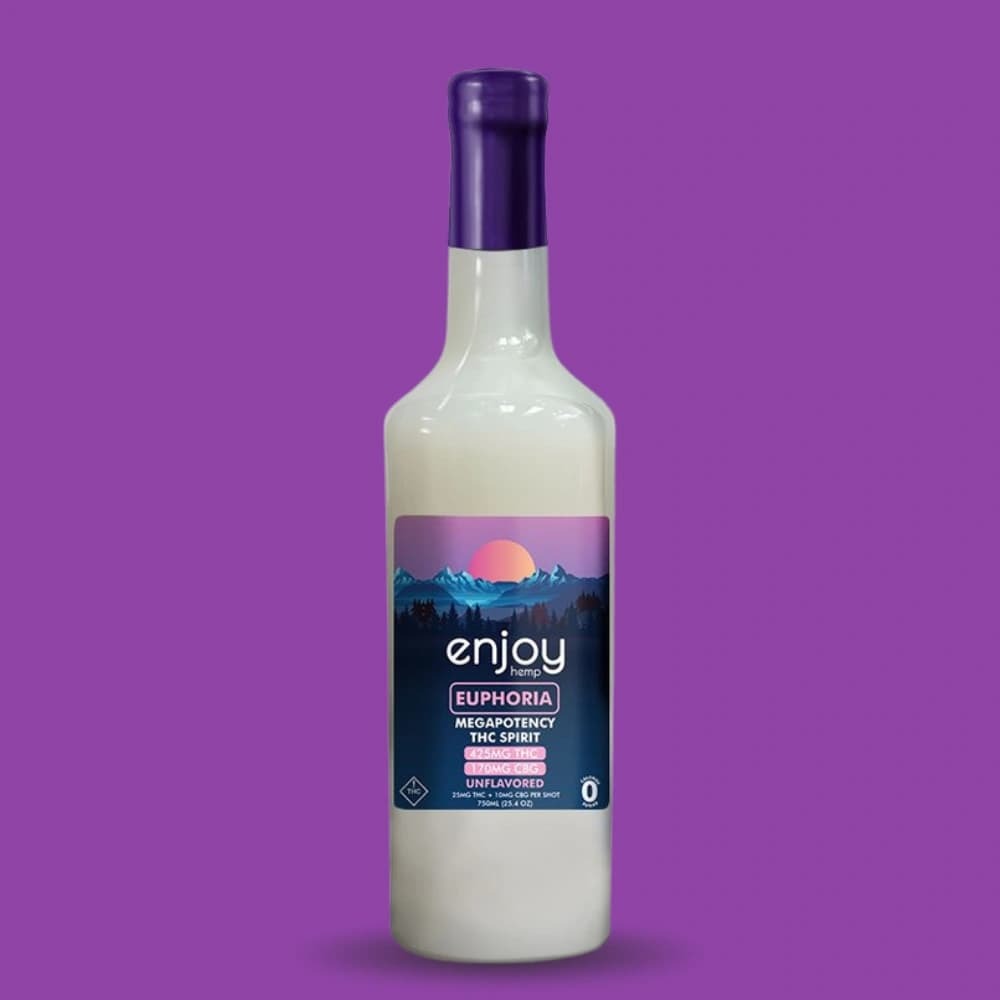
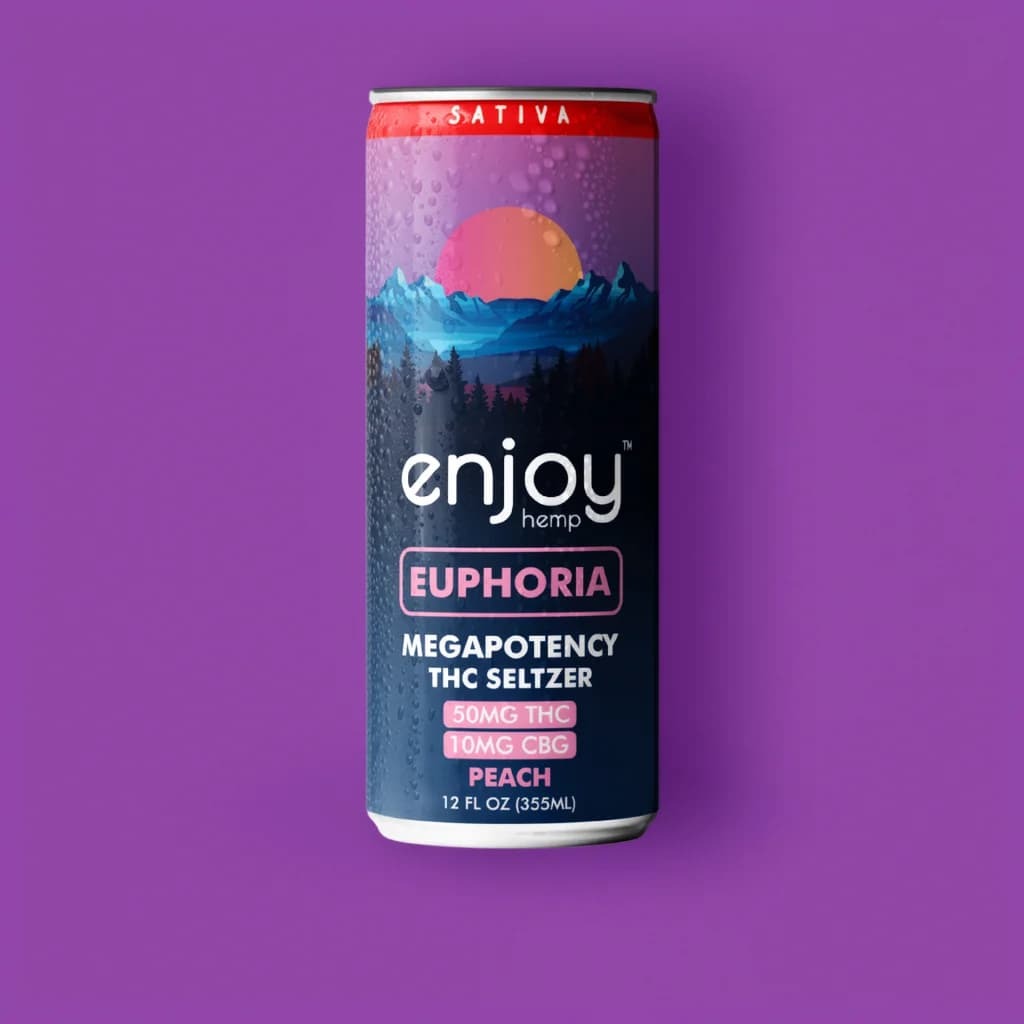
Legal THC and drug tests don't mix legal THC products can and will cause you to fail a standard drug test. Whether you consume hemp-derived delta-9 gummies, delta-8 vapes, THCA flower, or full-spectrum CBD products, your body produces the same THC metabolites that drug tests are designed to detect. Popular products like our euphoria drink contain enough THC to trigger positive drug test results. Consumers interested in edible alternatives can also explore where to look for the best gummies for euphoria when comparing different THC product formats, or browse where to find high thc gummies if they're specifically looking for stronger edible formulations. For those seeking regulated options, where to buy premium delta 9 thc syrup becomes crucial for ensuring product quality and accurate dosing. The tests cannot distinguish between THC from federally legal hemp and THC from marijuana, meaning a positive result is possible even when you have broken no laws.
In my 15 years evaluating wellness products, this has become one of the most misunderstood aspects of the legal hemp market. Consumers purchase products clearly labeled as "legal" or "compliant" and assume they are safe for employment purposes. Unfortunately, legality and detectability are two entirely separate issues that often collide with devastating consequences for jobs, probation, custody cases, and professional licenses. Cannabis concentrates like thc syrup will also trigger positive drug test results despite their legal status under federal hemp laws. If you're unsure where to find thc syrups suitable for your needs, this guide will assist you in making the right choice.
| Product Type | Federal Legal Status | Will Cause Positive Test? | Detection Window (Urine) | Risk Level |
|---|---|---|---|---|
| Hemp Delta-9 THC Gummies | Legal (until Nov 2026) | Yes | 3 to 30+ days | High |
| Delta-8 THC Products | Legal gray area | Yes | 3 to 30+ days | High |
| THCA Flower (Smoked/Vaped) | Legal (until Nov 2026) | Yes | 3 to 30+ days | High |
| Full-Spectrum CBD (with THC) | Legal | Possible with regular use | Variable | Moderate |
| CBD Isolate (THC-Free) | Legal | Unlikely | N/A | Low |
| HHC Products | Legal gray area | Likely | Unknown (limited data) | High |
Why Do Legal THC Products Cause Positive Drug Tests?
Legal THC products cause positive drug tests because standard workplace screenings detect THC metabolites, not the source of the THC. Your body breaks down delta-9 THC, delta-8 THC, and heated THCA into the same metabolite (THC-COOH) that triggers positive results. The test cannot determine whether the THC came from federally legal hemp, state-legal marijuana, or illicit sources. A positive result is simply a positive result.
From my experience working with hemp brands on compliance testing, I have seen this confusion firsthand. The fundamental issue is that drug tests were designed before the 2018 Farm Bill created a legal market for hemp-derived THC products. These tests were built to detect marijuana use, and they do that job effectively regardless of where the THC originated.
According to the National Institutes of Health, standard immunoassay drug tests use antibodies that bind to THC metabolites. The SAMHSA-5 panel, which is the federally mandated standard for workplace drug testing, specifically includes marijuana detection through THC-COOH screening. This metabolite is produced whenever your body processes any form of THC.
Key reasons legal THC triggers positive tests:
- Same metabolite: Delta-9, delta-8, delta-10, and heated THCA all produce THC-COOH
- Test design: Screenings detect metabolites, not specific cannabinoid sources
- Accumulation: THC metabolites build up in fat tissue with regular use
- No source differentiation: Labs cannot distinguish hemp-derived from marijuana-derived THC
How Long Does Legal THC Stay in Your System?
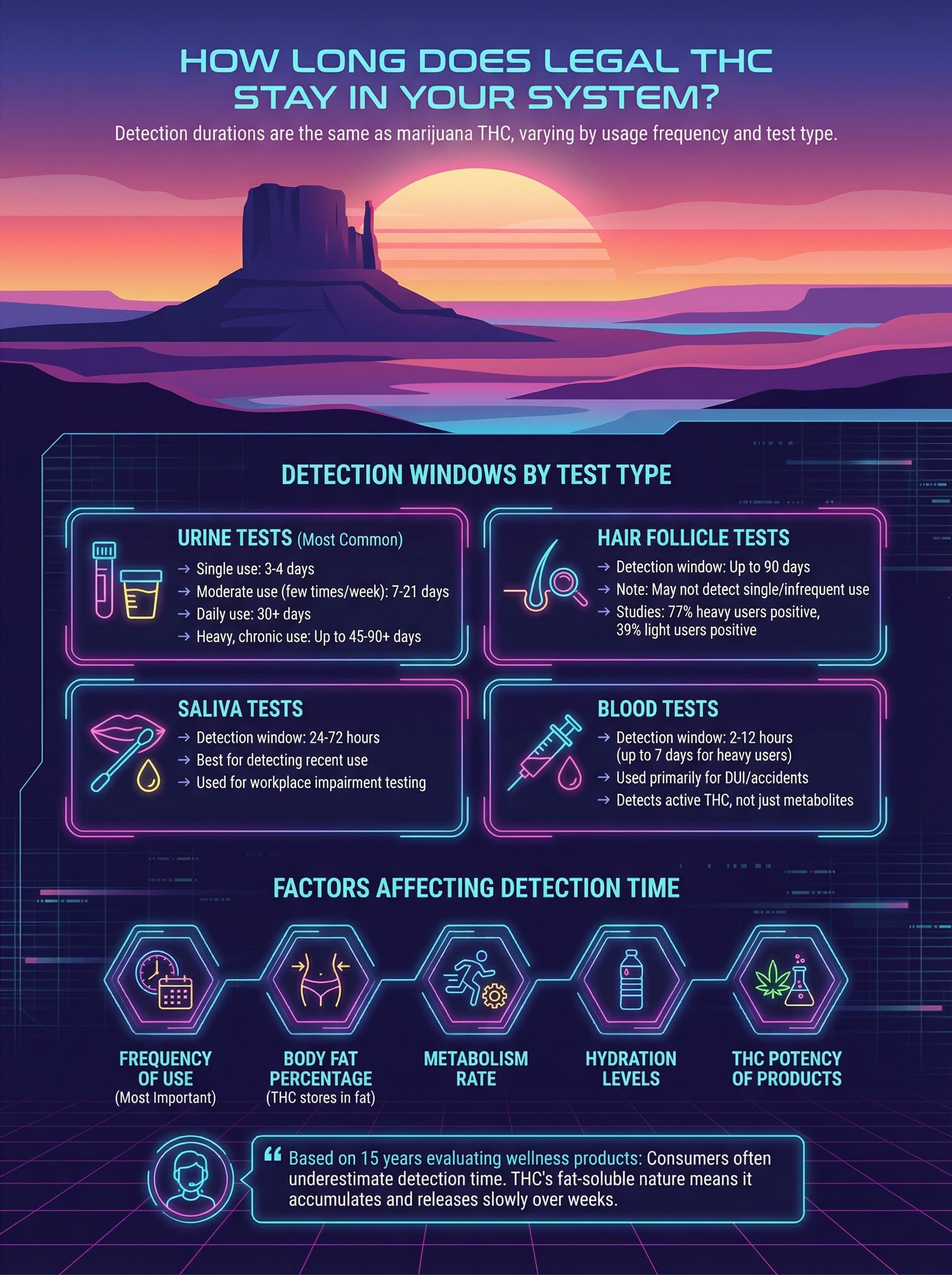
Legal THC stays in your system for the same duration as marijuana THC: anywhere from 3 days for single use to 30 days or longer for daily users. Detection windows vary by test type, with urine tests detecting use for up to 30+ days, hair tests for up to 90 days, saliva tests for 24 to 72 hours, and blood tests for 2 to 12 hours. Frequency of use is the most significant factor determining detection time.
Based on my 15 years evaluating wellness products, I have seen countless consumers underestimate how long THC remains detectable. The fat-soluble nature of THC means it accumulates in body tissue and releases slowly over weeks.
Detection Windows by Test Type:
Urine Tests (Most Common):
- Single use: 3 to 4 days
- Moderate use (few times per week): 7 to 21 days
- Daily use: 30 days or longer
- Heavy, chronic use: Up to 45 to 90 days in some cases
Hair Follicle Tests:
- Detection window: Up to 90 days
- Note: May not detect single or infrequent use
- Studies show 77% of heavy users and 39% of light users test positive
Saliva Tests:
- Detection window: 24 to 72 hours
- Best for detecting recent use
- Increasingly used for workplace impairment testing
Blood Tests:
- Detection window: 2 to 12 hours (up to 7 days for heavy users)
- Used primarily for DUI investigations and accidents
- Detects active THC, not just metabolites
Factors affecting detection time:
- Frequency of use (most important factor)
- Body fat percentage (THC stores in fat)
- Metabolism rate
- Hydration levels
- THC potency of products consumed
Will Delta-8 THC Show Up on a Drug Test?
Yes, delta-8 THC will show up on a drug test. Despite being marketed as a legal alternative to marijuana, delta-8 produces the same THC-COOH metabolite that standard drug tests detect. The National Drug Court Institute specifically recommends avoiding delta-8 if you face drug testing. Most workplace, court-ordered, and probation drug tests cannot distinguish between delta-8 and delta-9 THC.
When I led product development at wellness brands, we had extensive discussions about delta-8's drug testing implications. The chemical structure of delta-8 differs from delta-9 by only one double bond position, which is enough to produce slightly milder psychoactive effects but not enough to avoid detection.
According to GoodRx Health, delta-8 and delta-9 break down into the same metabolites, making them indistinguishable on standard screenings. The legal status of delta-8 (federally legal under certain interpretations of the 2018 Farm Bill) has no bearing on whether it triggers a positive test.
Delta-8 and drug testing facts:
- Produces identical metabolites to delta-9 THC
- Standard immunoassay tests cannot differentiate sources
- Detection windows similar to delta-9 (3 to 30+ days)
- Employers rarely accept "I only used legal delta-8" as an excuse
- DOT-regulated positions have zero tolerance regardless of source
Can You Fail a Drug Test from CBD Products?
You can fail a drug test from CBD products if they contain THC, which many do. Full-spectrum CBD products legally contain up to 0.3% delta-9 THC, and studies show that 70% of CBD products have inaccurate potency labels. Regular use of full-spectrum CBD products can cause THC metabolite accumulation that triggers positive tests. CBD isolate (THC-free) products are unlikely to cause positive results when accurately labeled.
From my conversations with third-party testing laboratories, CBD product labeling inaccuracy is a significant industry problem. A study published in the Journal of the American Medical Association found that cannabinoid content was overlabeled in 60% and underlabeled in 25% of products tested.
CBD product types and drug test risk:
Full-Spectrum CBD (Higher Risk):
- Contains all cannabinoids including THC (up to 0.3%)
- Regular use can accumulate detectable THC levels
- Product mislabeling may mean higher THC than expected
Broad-Spectrum CBD (Moderate Risk):
- THC supposedly removed but other cannabinoids retained
- Processing may leave trace THC amounts
- Quality varies significantly by manufacturer
CBD Isolate (Lowest Risk):
- 99%+ pure CBD with no other cannabinoids
- Should not trigger positive results if accurately made
- Still verify through Certificate of Analysis (COA)
Protect yourself when using CBD:
- Always request and verify batch-specific COAs
- Choose products from brands with third-party testing
- Consider CBD isolate if drug testing is a concern
- Understand that even "THC-free" claims may be inaccurate
What Happens If You Test Positive After Using Legal Hemp Products?
If you test positive after using legal hemp products, you may face the same consequences as testing positive for marijuana: job loss, failed probation, denied employment, or other adverse actions. Most employers, courts, and organizations do not distinguish between THC sources. While some states have employment protections for off-duty legal cannabis use, these protections rarely extend to hemp-derived THC products and almost never apply to safety-sensitive or federally regulated positions.
In my 15 years in the wellness industry, I have heard numerous stories of consumers losing jobs or opportunities after testing positive from legal hemp products they purchased openly from licensed retailers. The legal defense of "I only used legal products" rarely succeeds in employment contexts.
Consequences vary by situation:
Employment:
- Most employers can terminate for any positive THC result
- Pre-employment offers may be rescinded
- The burden falls on employees to prove legal product use
- Proving products were compliant (under 0.3% THC) is extremely difficult
Federal and DOT Positions:
- Zero tolerance for any THC, regardless of source
- Truck drivers, pilots, railway workers face automatic disqualification
- Federal contracts often require drug-free workplace policies
- No exceptions for hemp-derived or medical use
Court-Ordered Testing:
- Probation violations possible from legal hemp use
- Custody arrangements may be affected
- Drug courts typically prohibit all THC consumption
Do Any States Protect Employees Who Use Legal THC Products?
Several states protect employees from adverse action based solely on off-duty legal cannabis use, but these protections have significant limitations. States with some form of protection include California, New York, New Jersey, Connecticut, Montana, Rhode Island, Washington, and Nevada. However, protections typically exclude safety-sensitive positions, federal contractors, and situations involving workplace impairment. Few if any states specifically protect hemp-derived THC use.
Based on my experience advising consumers on compliance issues, these state protections are often narrower than people assume. Most laws focus on recreational marijuana in legal states, not hemp-derived products purchased federally.
States with off-duty cannabis use protections (2026):
- California: Prohibits discrimination for off-duty legal marijuana use; exceptions for building trades and federal contractors
- New York: Cannot refuse to hire, fire, or discriminate based on off-duty use; employers may still test in certain circumstances
- New Jersey: Cannot refuse to hire based on positive marijuana test; must have workplace impairment policy
- Connecticut: Protects lawful off-duty cannabis use; excludes safety-sensitive jobs
- Montana: Protects off-duty use unless it affects job duties or safety
- Nevada: Cannot deny employment based on marijuana test (with exceptions)
- Washington: Prohibits discrimination for lawful off-duty marijuana use
Important limitations:
- Safety-sensitive positions typically excluded from protections
- Federal contractors and DOT-regulated employers exempt
- Impairment at work remains grounds for discipline everywhere
- Protections focus on marijuana programs, not necessarily hemp products
- Employee often bears burden of proving lawful product use
How Can You Avoid Failing a Drug Test If You Use Legal THC?
The only reliable way to avoid failing a drug test is to stop using all THC products, including legal hemp-derived options, well before testing. For occasional users, abstaining 10 to 14 days before testing may be sufficient for urine tests. Daily users should abstain for 30 days or longer. No detox product, home remedy, or cleansing method has been scientifically proven to accelerate THC elimination. If drug testing is a requirement for your job or legal situation, avoiding THC entirely is the only certain solution.
When I worked with product development teams, we were always clear with consumers: if you face drug testing, legal THC products carry the same risk as any other THC source. There is no workaround.
Abstinence timelines by user type:
- Single or first-time use: 3 to 5 days typically sufficient
- Occasional use (1 to 2 times per week): 7 to 14 days
- Moderate use (several times per week): 14 to 21 days
- Daily use: 30 days or longer
- Heavy, chronic use: 45 to 90 days in some cases
What does not work:
- Detox drinks and kits: No scientific evidence of effectiveness; may contain harmful ingredients
- Excessive water intake: May dilute sample (often flagged as suspicious) without eliminating metabolites
- Exercise before testing: Can actually increase THC levels by releasing stored metabolites from fat
- Synthetic urine: Often detected by temperature, pH, and validity testing; illegal in some states
- Vinegar or other adulterants: Easily detected by labs
If you need THC alternatives:
- CBD isolate products (verify THC-free through COA)
- Non-cannabinoid wellness alternatives
- Discuss options with healthcare providers if using for medical reasons
What Are the Best THC-Free Alternatives If You Face Drug Testing?
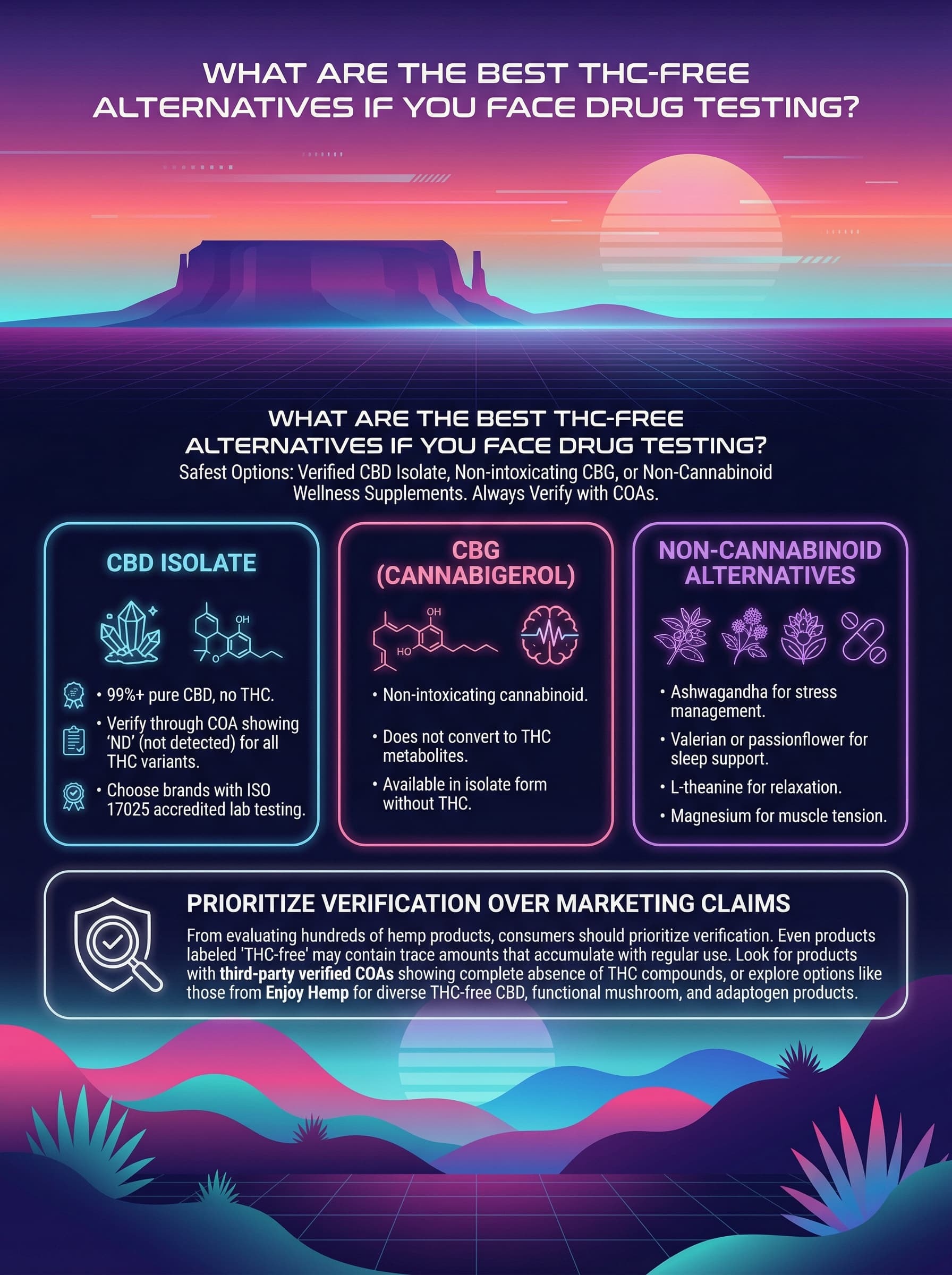
If you face regular drug testing but want cannabinoid wellness benefits, your safest options are verified CBD isolate products or non-intoxicating cannabinoids like CBG that do not produce THC metabolites. Always verify through batch-specific Certificates of Analysis that products contain zero THC. Some people also explore non-cannabinoid wellness alternatives like ashwagandha, valerian, or other functional supplements for relaxation and stress management.
From my experience evaluating hundreds of hemp products, consumers facing drug testing should prioritize verification over marketing claims. Even products labeled "THC-free" may contain trace amounts that accumulate with regular use.
Safer options for those facing drug testing:
CBD Isolate:
- 99%+ pure CBD with no THC
- Verify through COA showing "ND" (not detected) for all THC variants
- Choose brands with ISO 17025 accredited lab testing
CBG (Cannabigerol):
- Non-intoxicating cannabinoid
- Does not convert to THC metabolites
- Available in isolate form without THC
Non-Cannabinoid Alternatives:
- Ashwagandha for stress management
- Valerian or passionflower for sleep support
- L-theanine for relaxation
- Magnesium for muscle tension
Companies like Enjoy Hemp offer products with various cannabinoid profiles, and consumers interested in balanced formulations with higher CBD ratios can see how our CBD syrups enhance your experience while still keeping THC drug test implications in mind. If you must avoid THC entirely, look for products with third-party verified COAs showing complete absence of THC compounds, or explore their THC-free CBD options and functional mushroom and adaptogen products that combine non-intoxicating cannabinoids with other wellness ingredients.
Frequently Asked Questions
Will One THC Gummy Make Me Fail a Drug Test?
A single THC gummy may cause you to fail a drug test if taken within 3 to 5 days before testing, depending on the gummy's potency and your metabolism. A 10mg thc gummy is comparable to smoking a small amount of marijuana and can produce detectable metabolites, and consumers who want to understand how much higher a 600mg package represents compared to a single serving before purchasing can read about where to buy 600mg thc gummies and review the full product details including per-piece dosing. Occasional users typically clear THC faster than regular users, but there is no guaranteed "safe" window for single use, and individual variation is significant.
Is There a Drug Test That Can Tell the Difference Between Legal and Illegal THC?
No standard drug test can distinguish between legal hemp-derived THC and illegal marijuana-derived THC. Both produce identical metabolites (THC-COOH). While advanced chromatography can identify specific cannabinoid ratios, this is not performed in standard employment or court-ordered testing. The metabolite detected is the same regardless of source, and tests report only positive or negative for THC presence.
Can My Employer Fire Me for Using Legal Hemp Products in a State Where Marijuana Is Legal?
In most cases, yes. Even in states with recreational marijuana programs and employment protections, employers generally retain the right to maintain drug-free workplace policies and terminate employees who test positive for THC. Protections for off-duty cannabis use typically have exceptions for safety-sensitive positions, federal contractors, and situations involving workplace impairment. Hemp-derived products receive even less explicit protection than state-legal marijuana.
How Accurate Are At-Home THC Drug Tests?
At-home THC drug tests are generally reliable for screening purposes but less accurate than laboratory confirmation tests. Most use the same immunoassay technology as initial workplace screenings. A positive at-home test strongly suggests you would fail an employer test, while a negative result provides reasonable confidence but not certainty. At-home tests typically use the standard 50 ng/mL cutoff, though some labs use more sensitive 20 ng/mL thresholds.
Do THC Drinks Stay in Your System Longer Than Gummies?
THC drinks and gummies have similar detection windows because both are processed through the digestive system and metabolized by the liver. The detection time depends more on total THC consumed, frequency of use, and individual factors like metabolism and body fat than on the product format, whether someone prefers gummies, tinctures, or the best THC seltzers. Both edible forms typically produce longer-lasting metabolites than inhaled THC because of how the liver processes ingested cannabinoids.
Understanding the Disconnect Between Legality and Testing
The gap between legal hemp THC products and drug testing represents one of the most significant consumer protection issues in the wellness industry today. Millions of Americans purchase federally legal products from licensed retailers only to face serious consequences when those products trigger positive drug tests.
In my 15 years evaluating wellness products, I have consistently advised consumers: legal status and drug test outcomes operate in completely separate spheres. The 2018 Farm Bill created legal access to THC-containing hemp products, but it did not update workplace drug testing standards or employer policies to accommodate this new reality.
If you use any THC product, including those from reputable brands like Enjoy Hemp that prioritize quality and compliance, understand that these products may cause you to fail a drug test. Before consuming any THC, carefully consider whether you face current or potential drug testing for employment, legal, or other purposes.
For those who want the benefits of hemp-derived cannabinoids without drug testing risk, consider exploring products specifically formulated with verified THC-free options, or discuss alternatives with a healthcare provider who understands both your wellness needs and testing requirements; readers not facing testing concerns but curious about nighttime formulations can instead review which hemp-derived THC gummy brands offer the most reliable sleep formulations with third-party lab testing.
By Sarah Mitchell, Wellness Industry Specialist
Sarah Mitchell is a wellness industry veteran with 15 years of experience in functional supplements and hemp-derived products. She previously led product development at two nationally recognized wellness brands and holds certification as a holistic health practitioner. Sarah now advises consumers on quality standards, helping them make informed decisions in the evolving hemp market.
Disclaimer: This article is for educational purposes only and does not constitute legal, medical, or employment advice. Drug testing policies, state employment protections, and cannabis regulations vary significantly by jurisdiction and change frequently. If you face drug testing for employment, legal, or other purposes, consult with an attorney or appropriate professional in your jurisdiction. Individual detection windows vary based on numerous factors, and the information provided represents general guidelines only.